Ancient · Milesian school
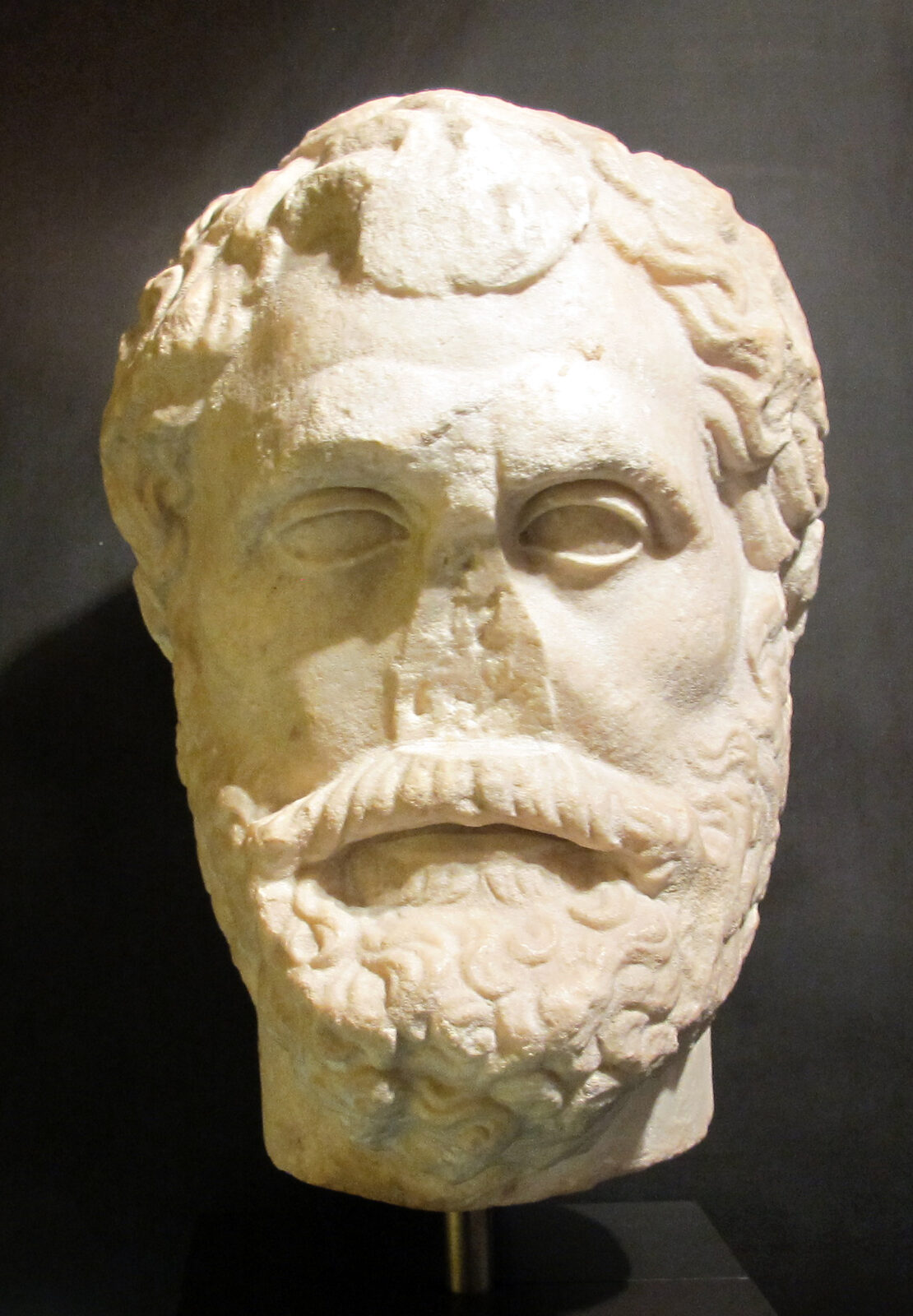
Thales
c. 624–c. 546 BCE
The first Greek thinker remembered for explaining nature without appealing to the will of the gods. He held that everything comes from water.
Read profileA Living Archive
Lives shaped by argument, doubt, conviction, exile, friendship, and the persistent demand to think more clearly.
Ancient · Milesian school
c. 624–c. 546 BCE
The first Greek thinker remembered for explaining nature without appealing to the will of the gods. He held that everything comes from water.
Read profile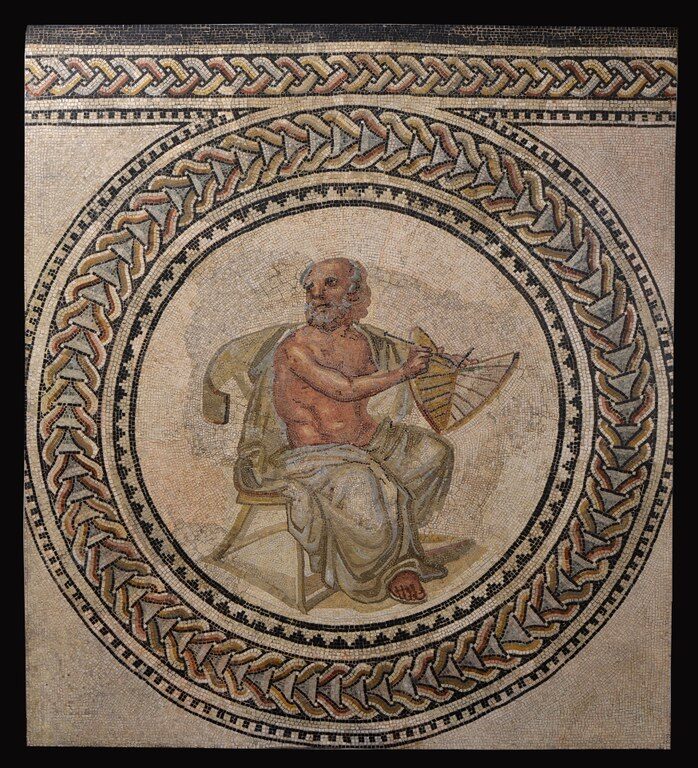
Ancient · Milesian school
c. 610–c. 546 BCE
Younger contemporary of Thales who traced the world to something boundless rather than to any familiar substance, and drew one of the first maps of the inhabited earth.
Read profile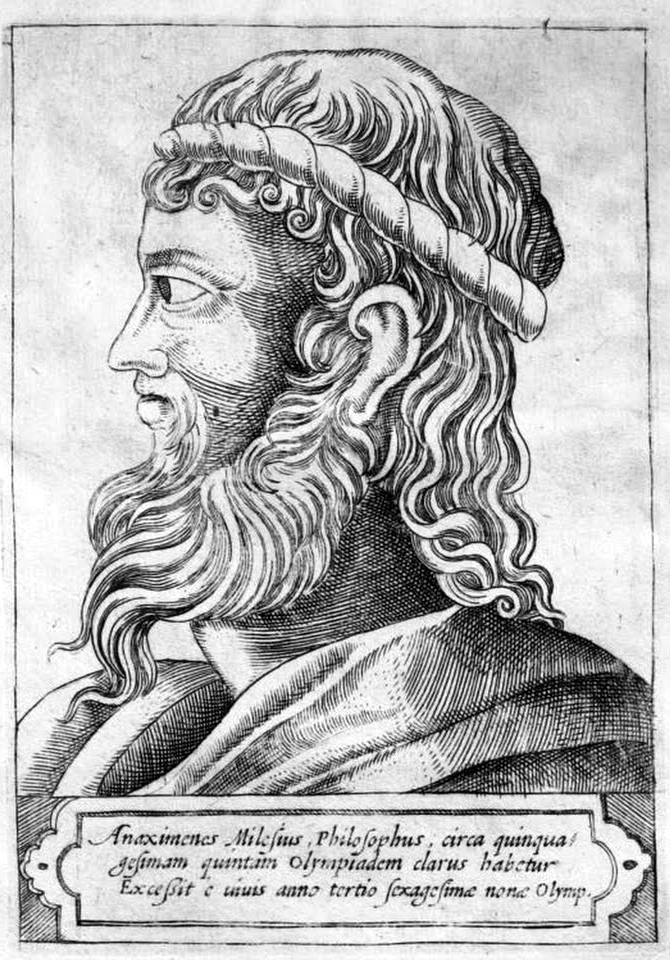
Ancient · Milesian school
c. 586–c. 526 BCE
The third Milesian, who made air the origin and explained every change by one mechanism: thickening and thinning.
Read profile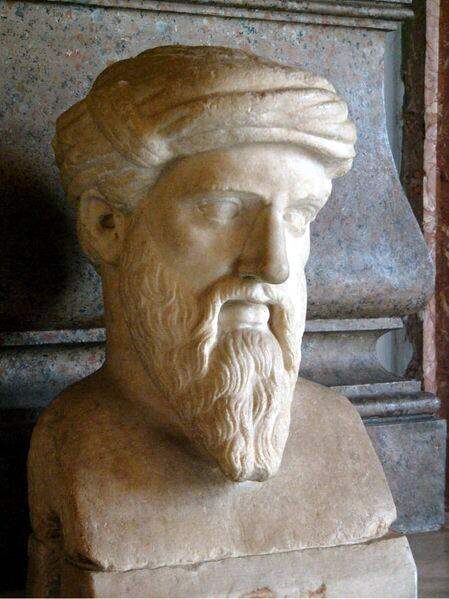
Ancient · Pythagoreanism
c. 570–c. 495 BCE
Samian who founded a community in southern Italy, taught that souls are reborn, and left a tradition that read the order of the world as number and harmony.
Read profile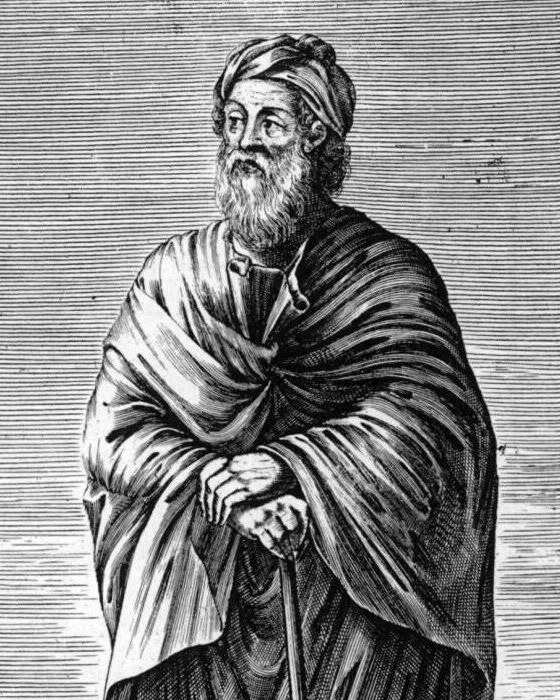
Ancient · Ionian
c. 570–c. 478 BCE
A travelling poet from Colophon who attacked the gods of Homer and Hesiod and argued that human knowledge falls short of certainty.
Read profile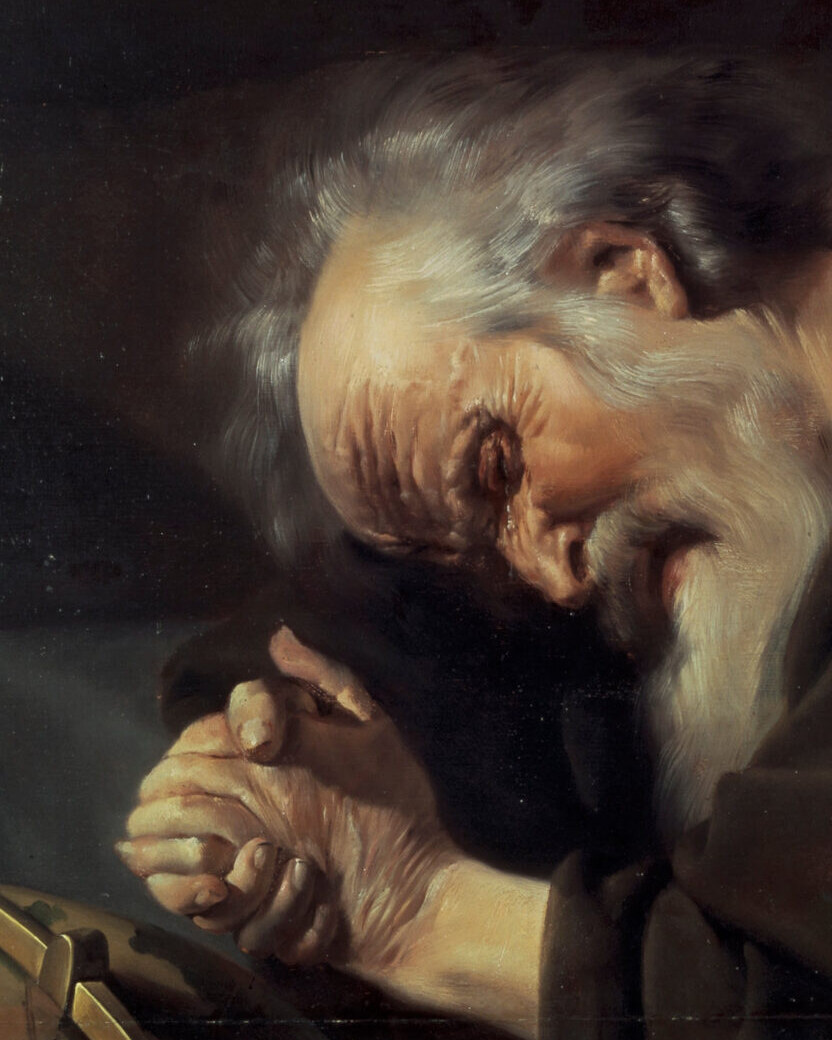
Ancient · Ionian
c. 540–c. 480 BCE
Ephesian who wrote in deliberate riddles, holding that the world is an ordered process of opposites governed by a logos most people fail to hear.
Read profile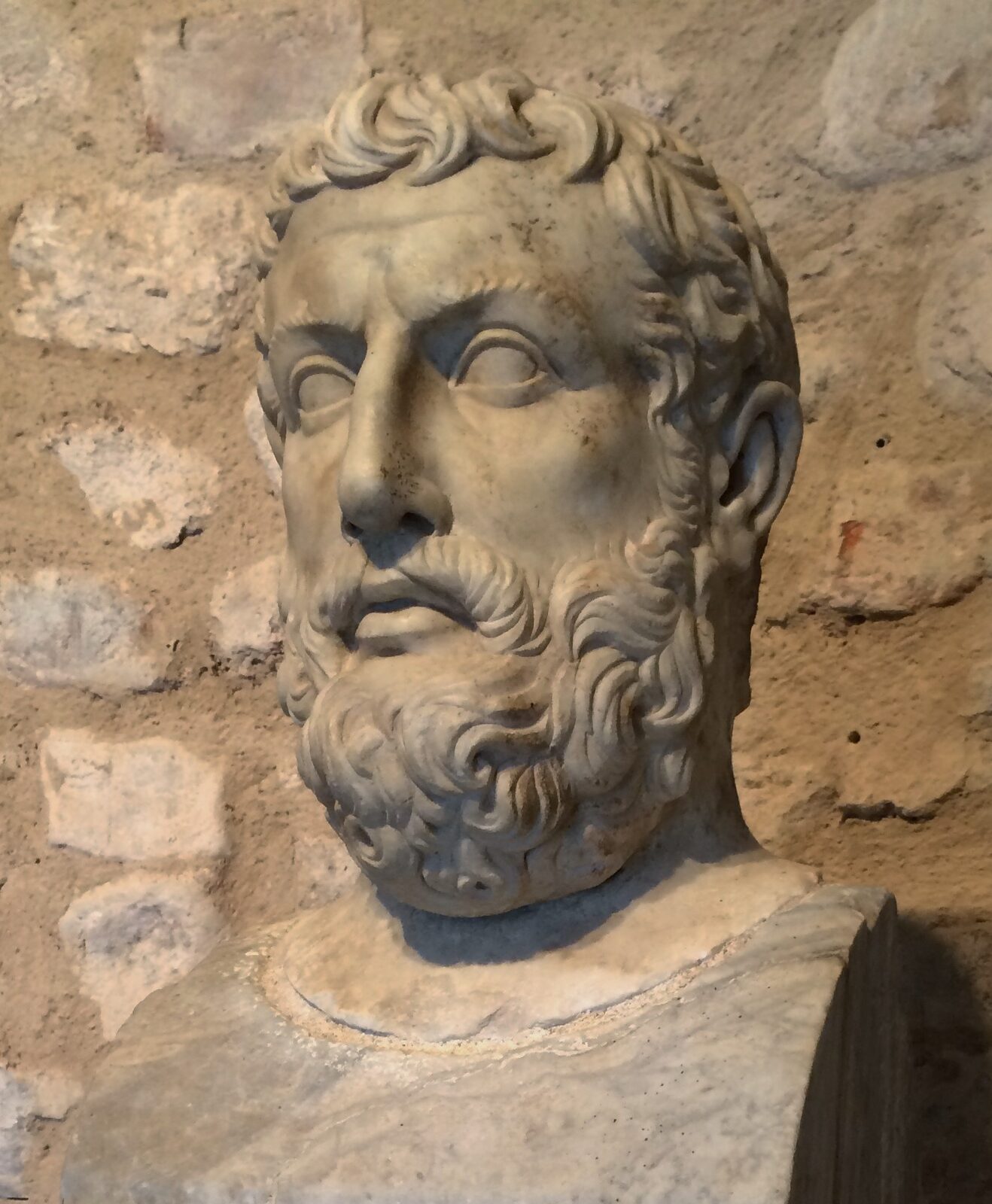
Ancient · Eleatic school
c. 515–after 450 BCE
Wrote a philosophical poem arguing that what is cannot come to be or perish, and that reasoning, not the senses, settles what exists.
Read profile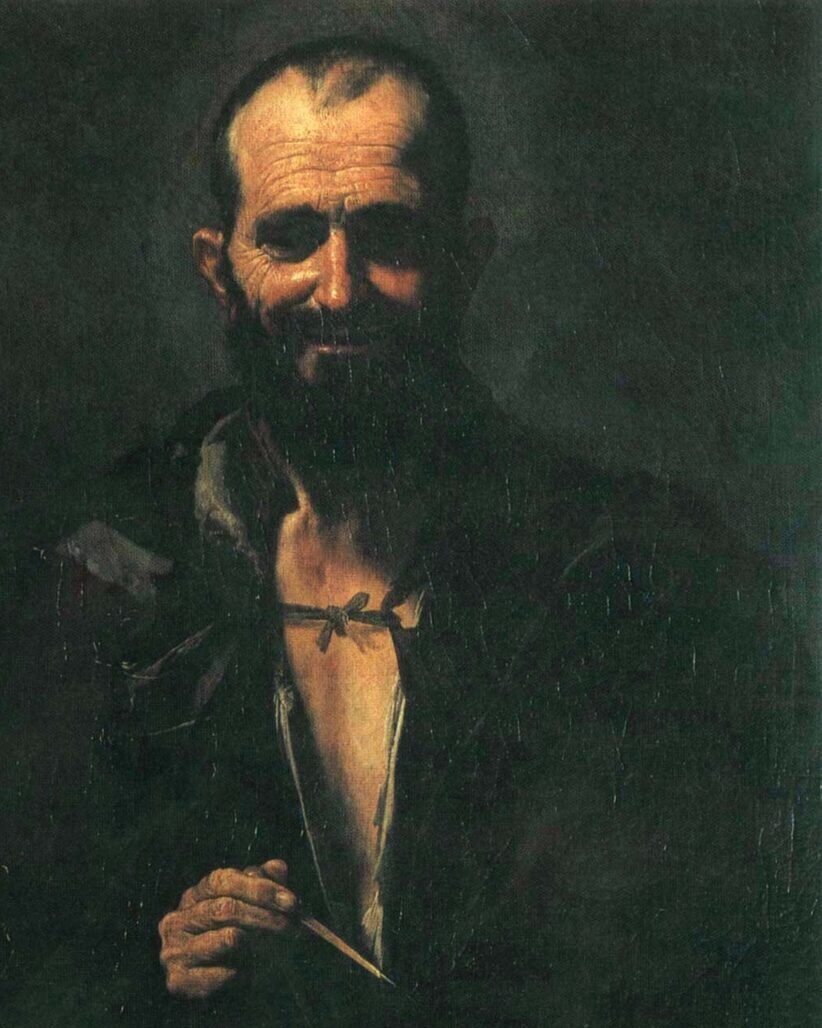
Ancient · Atomism
c. 460–c. 370 BCE
With his teacher Leucippus, explained the world as atoms moving in empty space, and wrote as much about cheerfulness and conduct as about physics.
Read profile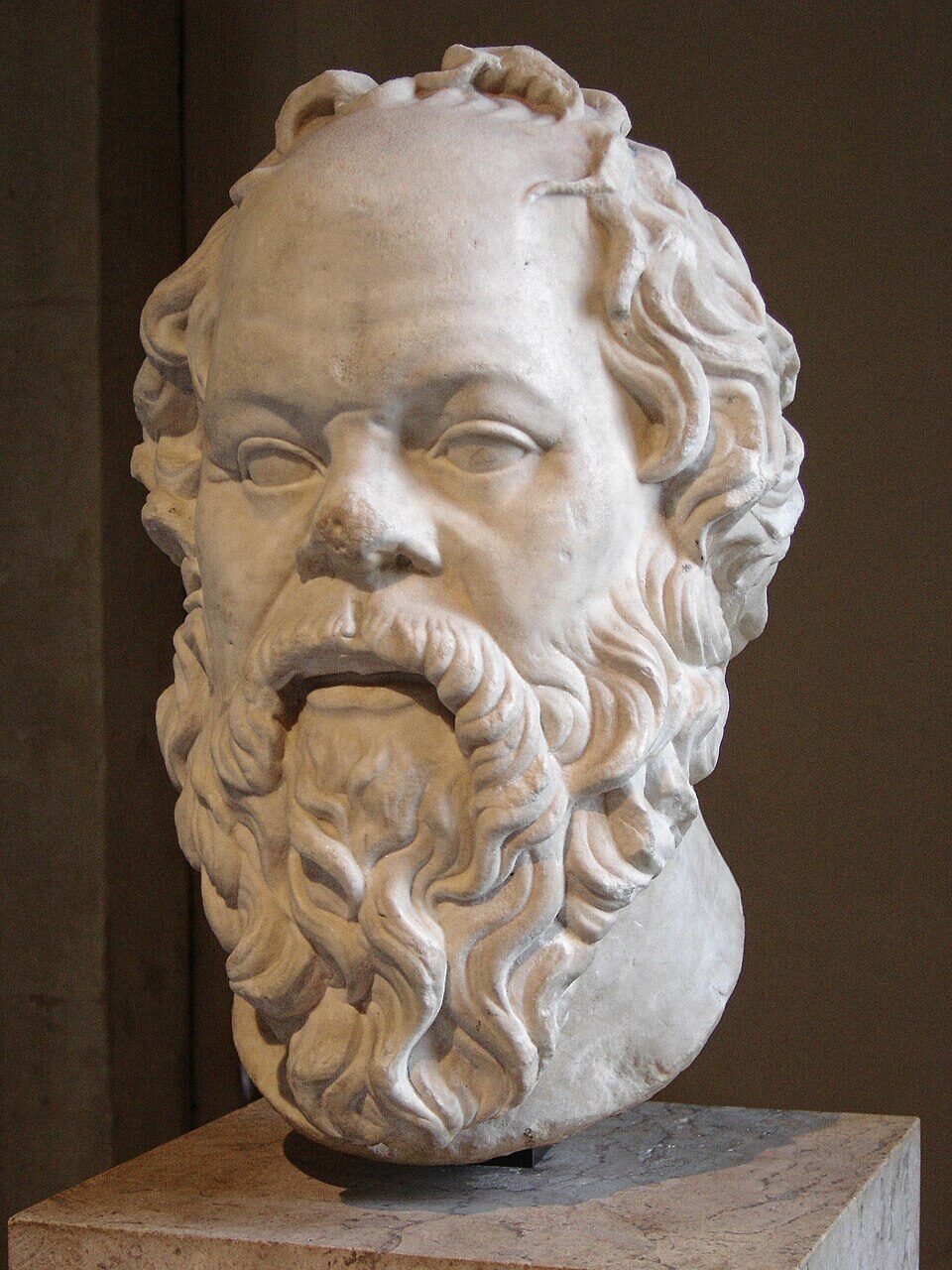
Ancient · Classical Greek
c. 470–399 BCE
Athens’ relentless questioner made the examined life philosophy’s enduring vocation. He wrote nothing; his method survives through the dialogues of Plato and other contemporaries.
Read profile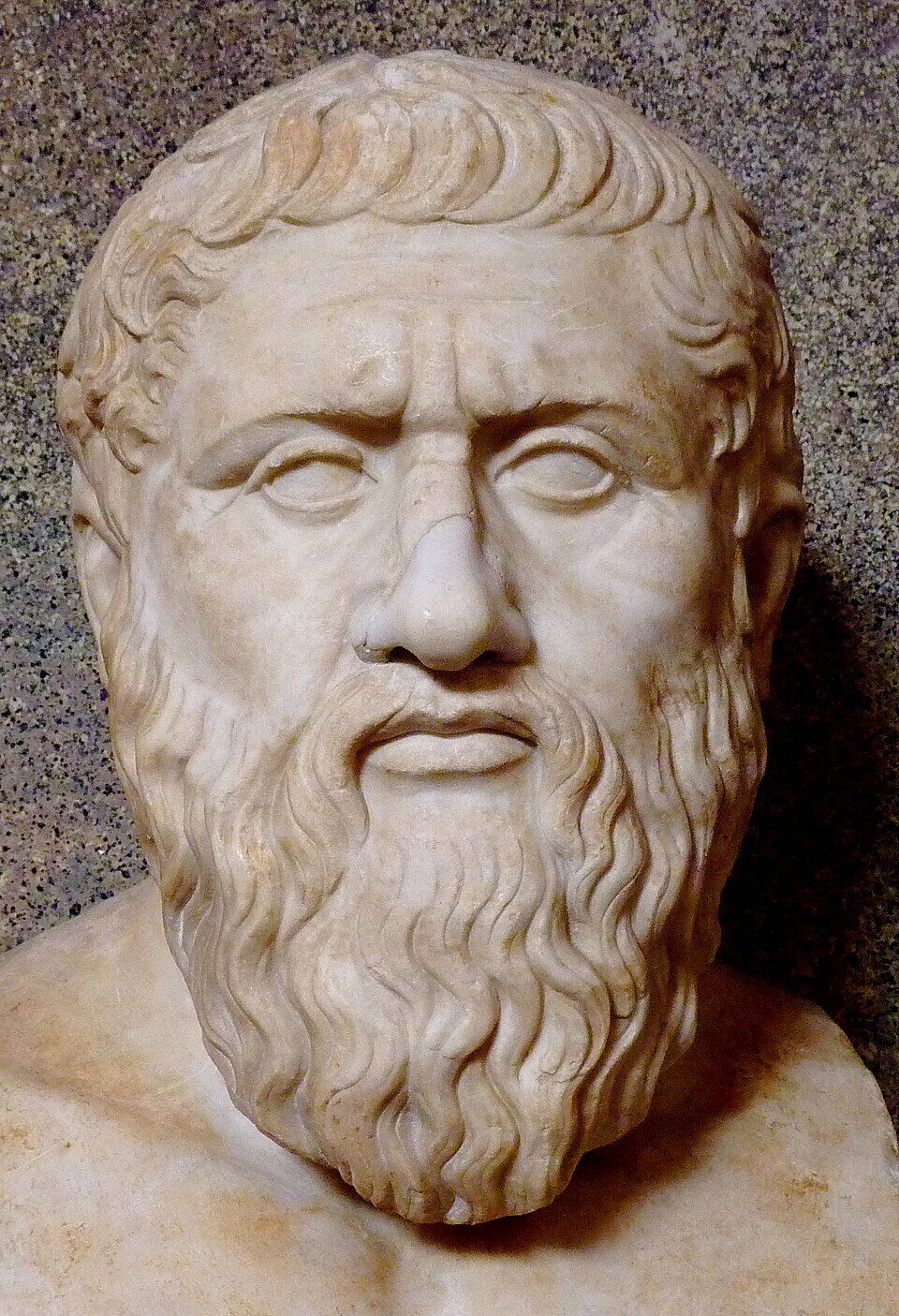
Ancient · Platonism
c. 428–348 BCE
Founder of the Academy and author of philosophical dialogues on justice, knowledge, love, politics, and the nature of reality.
Read profile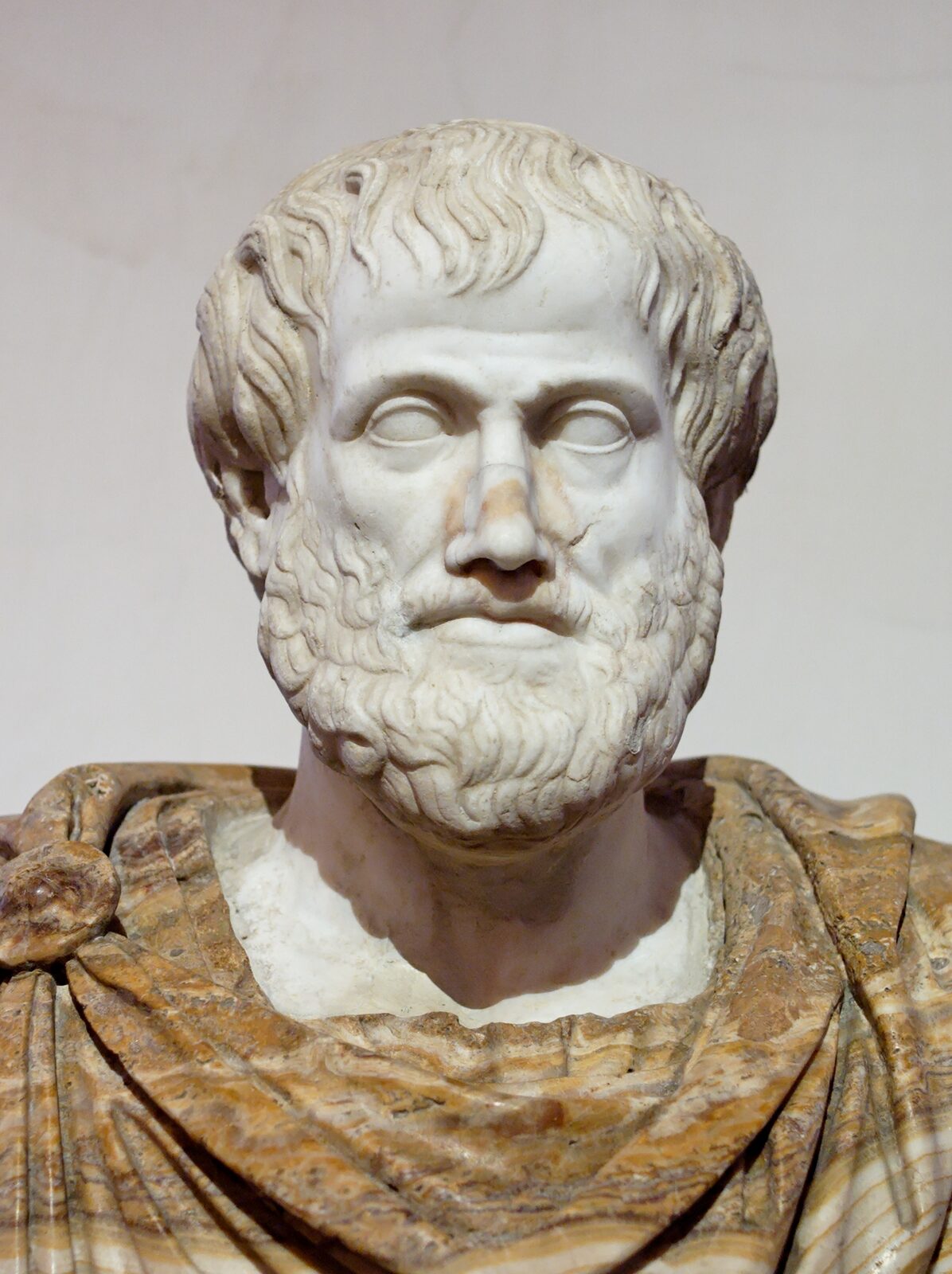
Ancient · Aristotelianism
384–322 BCE
Plato’s student built an extraordinary system spanning logic, ethics, politics, biology, rhetoric, and metaphysics.
Read profile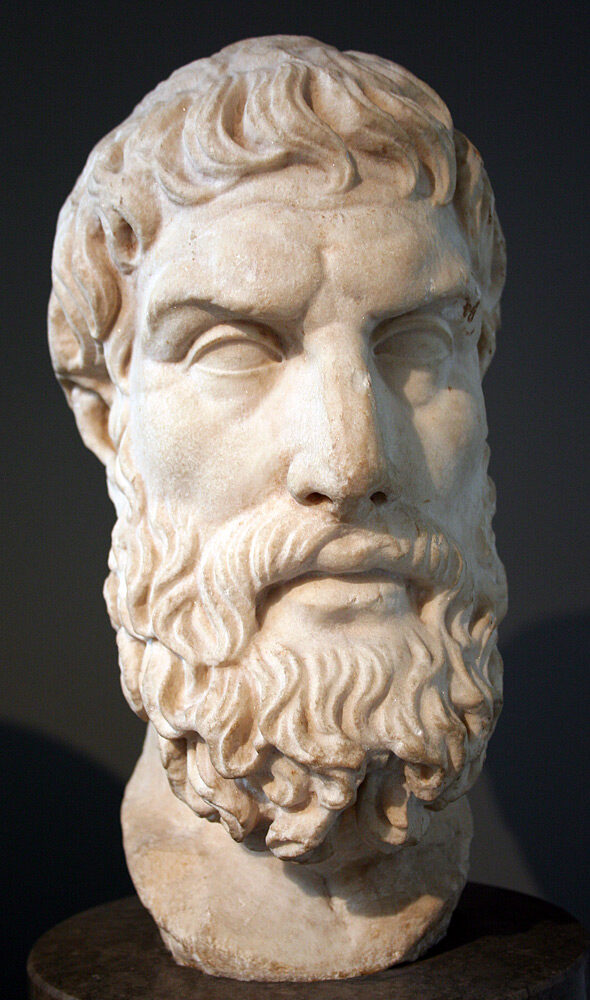
Ancient · Epicureanism
341–270 BCE
In the Garden at Athens, Epicurus taught that tranquility grows from friendship, modest pleasure, and freedom from needless fear.
Read profile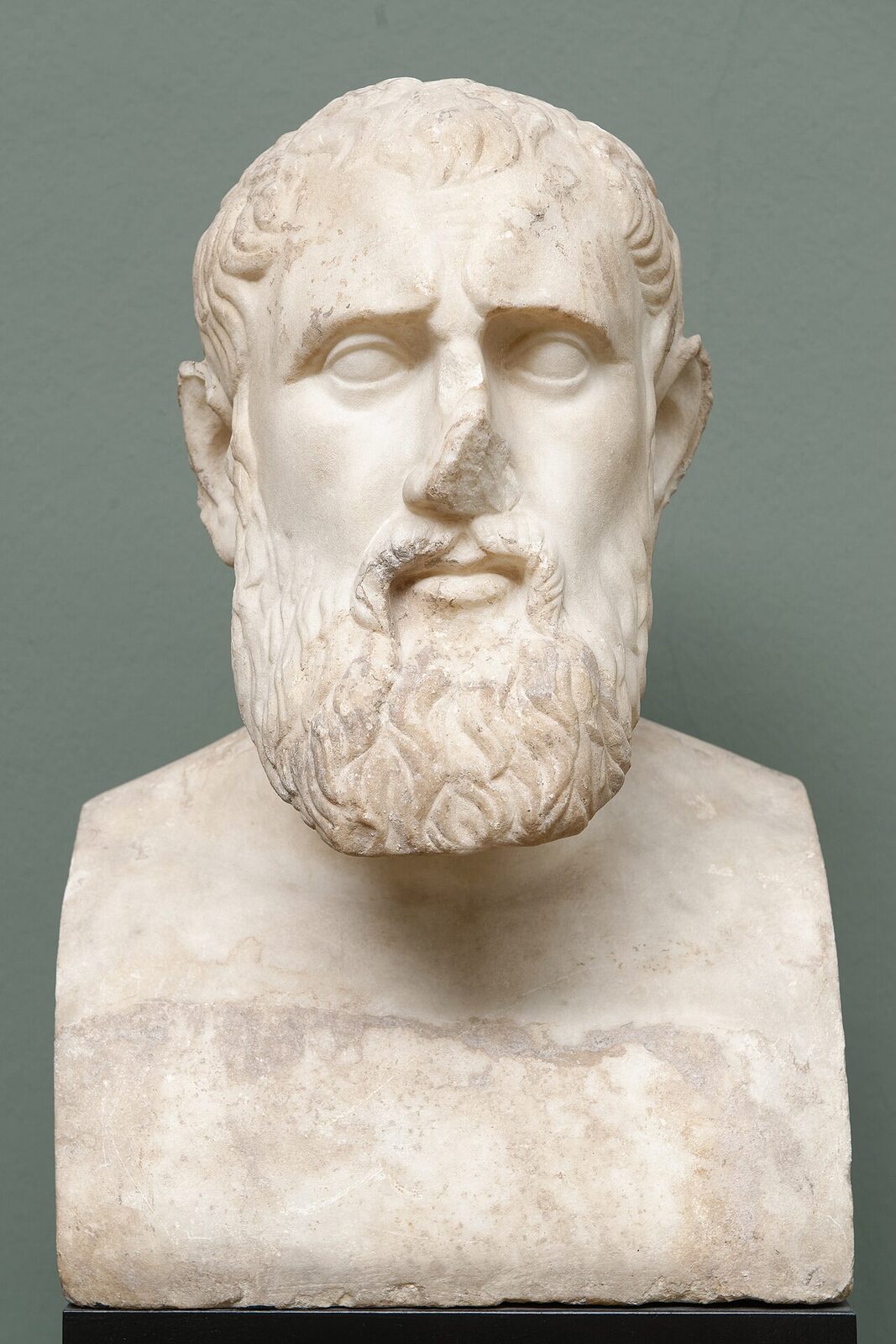
Ancient · Stoicism
c. 334–262 BCE
Founder of Stoicism, teaching in Athens’ Painted Stoa that flourishing means living consistently with nature and reason.
Read profile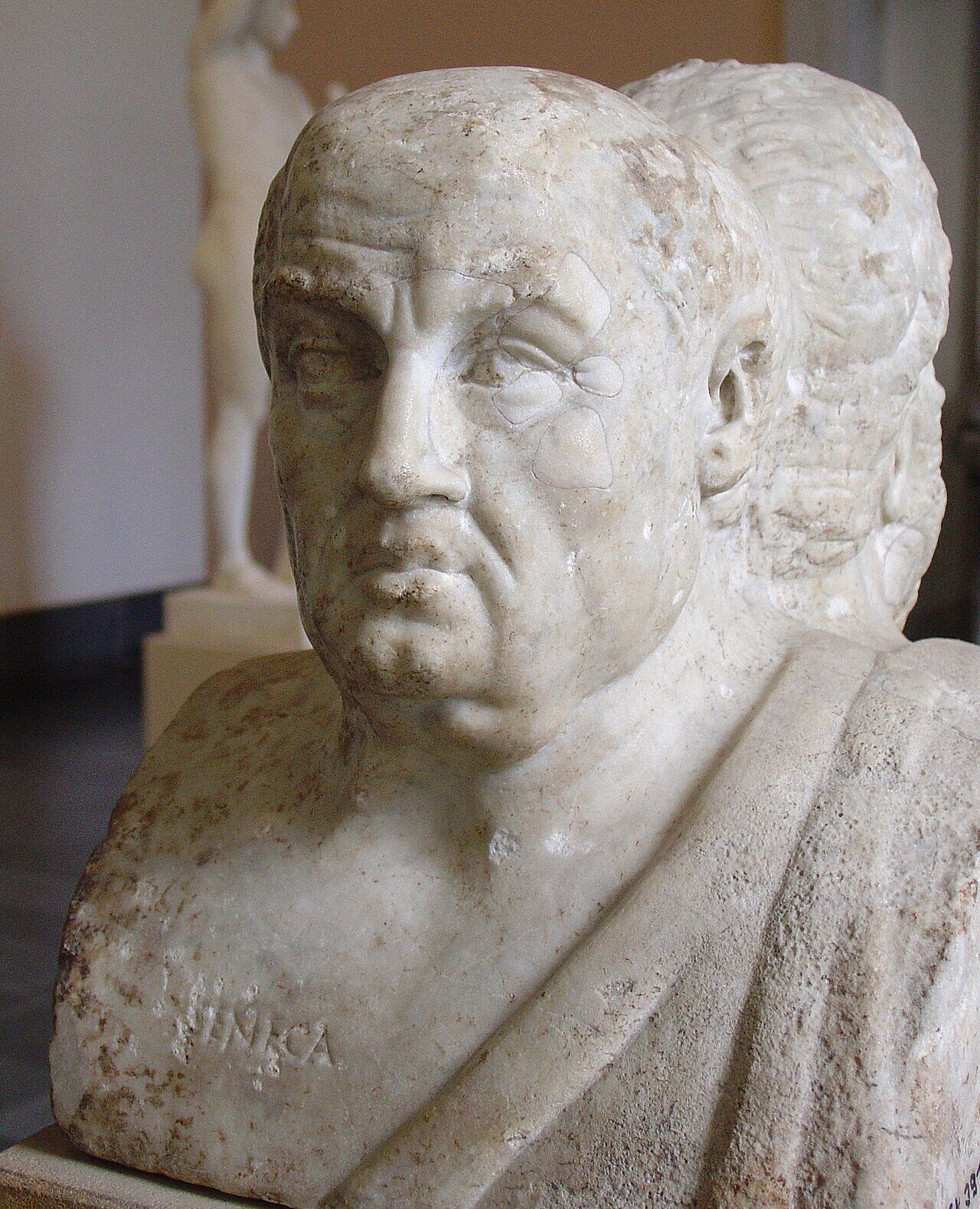
Roman · Stoicism
c. 4 BCE–65 CE
Roman statesman and moral essayist who examined anger, adversity, time, wealth, and the practice of philosophical friendship.
Read profile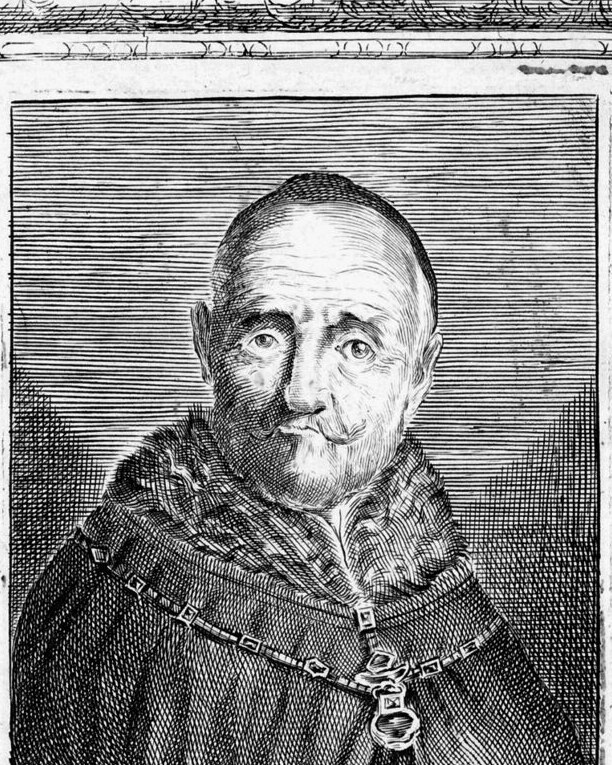
Roman · Stoicism
c. 50–135 CE
Formerly enslaved teacher whose practical ethics distinguishes what belongs to our agency from what does not.
Read profile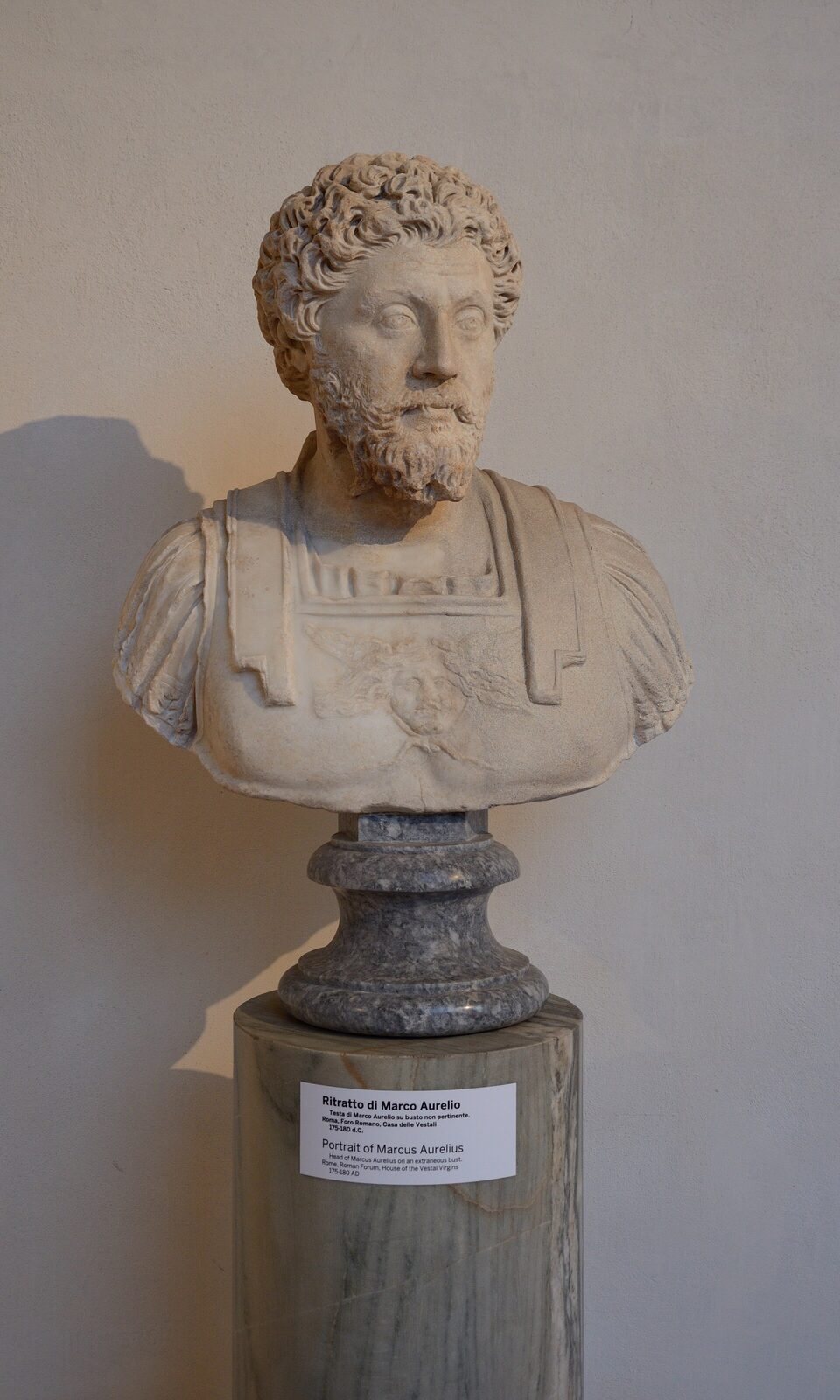
Roman · Stoicism
121–180 CE
Roman emperor whose private philosophical exercises became an enduring manual of attention, duty, and impermanence.
Read profile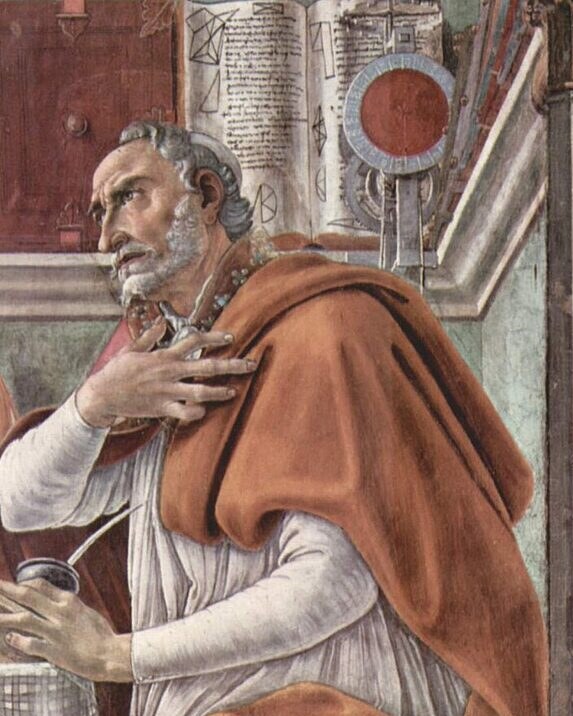
Late Antique · Christian Platonism
354–430
A pivotal thinker on time, memory, evil, freedom, and grace at the meeting point of Platonism and Christianity.
Read profile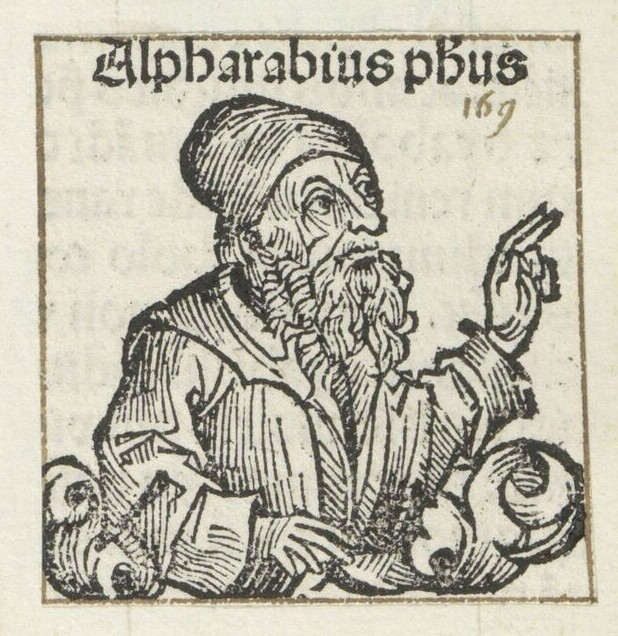
Medieval · Islamic philosophy
c. 870–950
Known in Arabic as the Second Teacher, after Aristotle. He gave Greek logic a home in Arabic and imagined a city governed by a philosopher who is also a prophet.
Read profile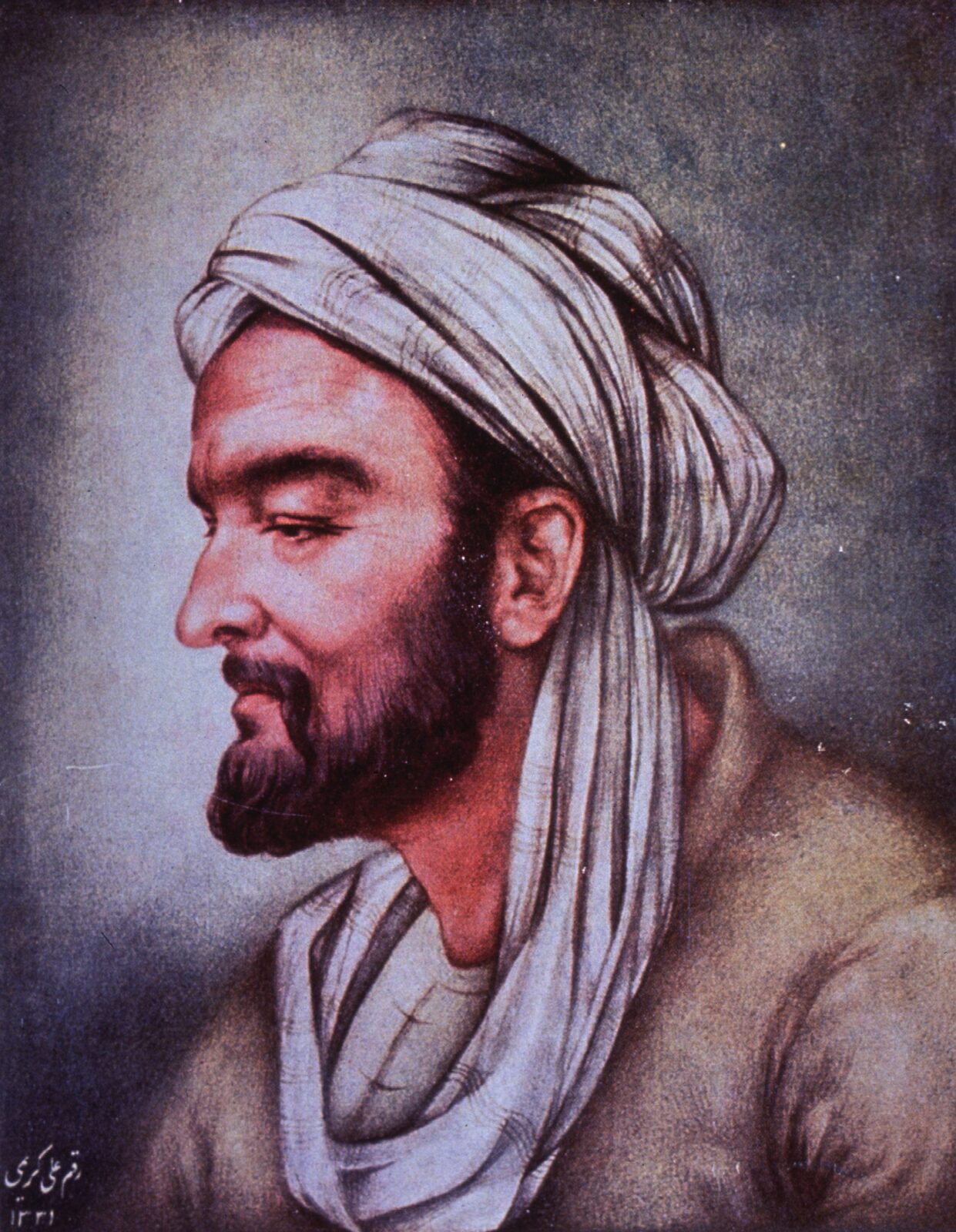
Medieval · Islamic philosophy
c. 980–1037
Drew the distinction between what a thing is and that it is, and built from it an argument for a necessary being that European theology was still using six hundred years later.
Read profile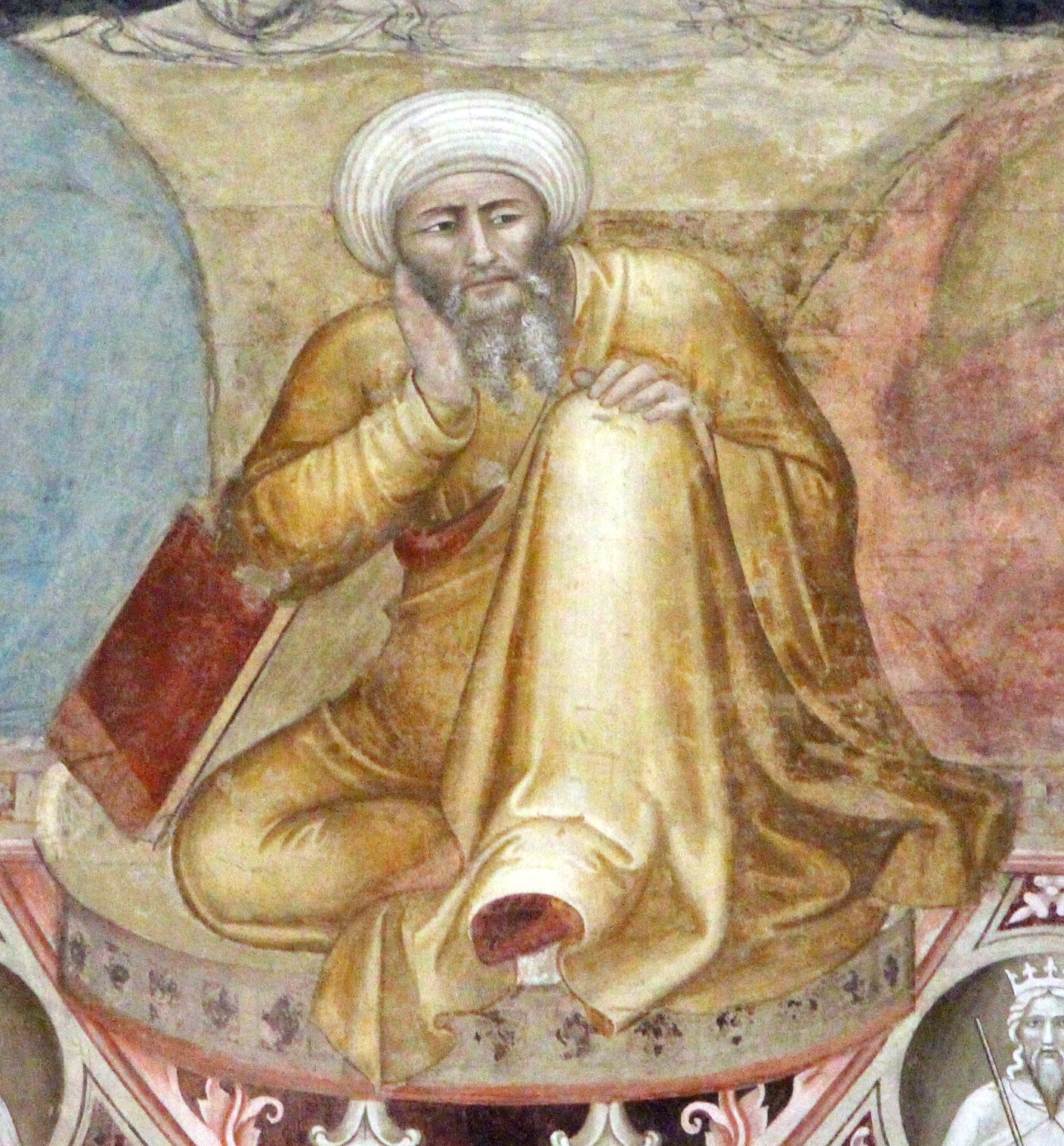
Medieval · Islamic philosophy
1126–1198
Spent his life explaining Aristotle line by line, and argued that the law does not merely permit philosophy but requires it of those able to do it.
Read profile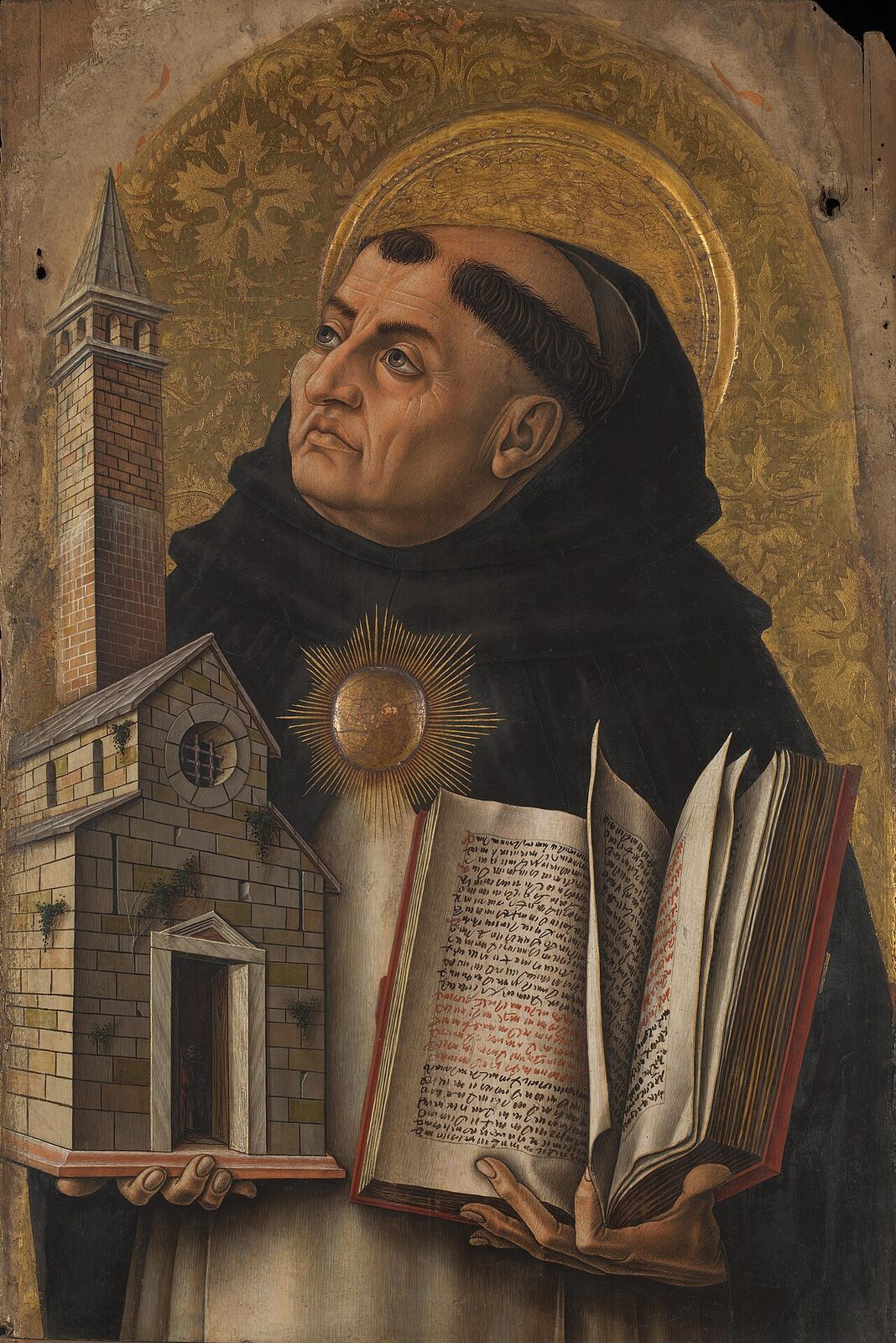
Medieval · Scholasticism
1225–1274
Synthesized Aristotelian philosophy with Christian theology through a systematic account of nature, reason, and law.
Read profile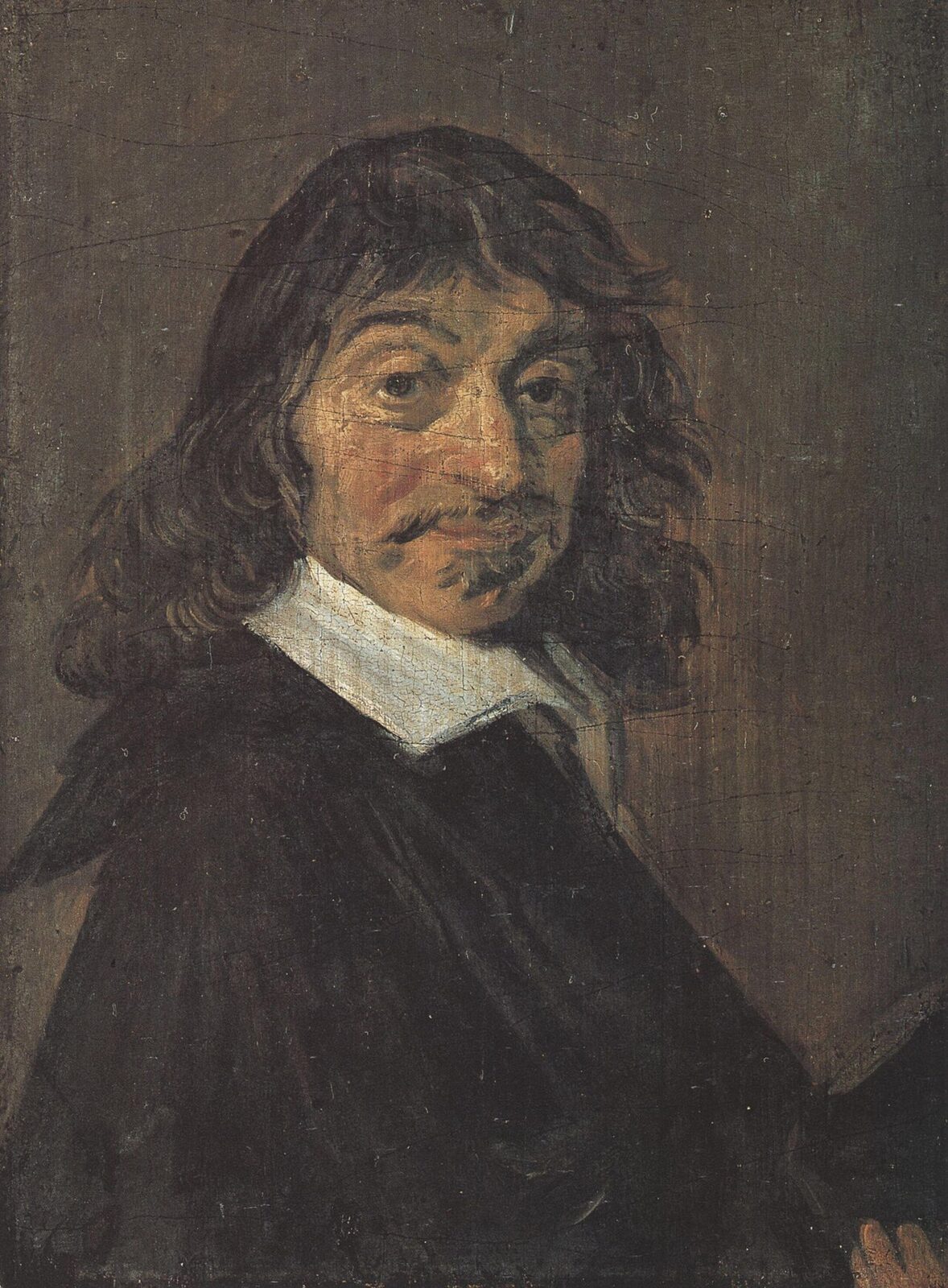
Early Modern · Rationalism
1596–1650
Sought certainty through methodic doubt, transforming debates about knowledge, mind, and the foundations of science.
Read profile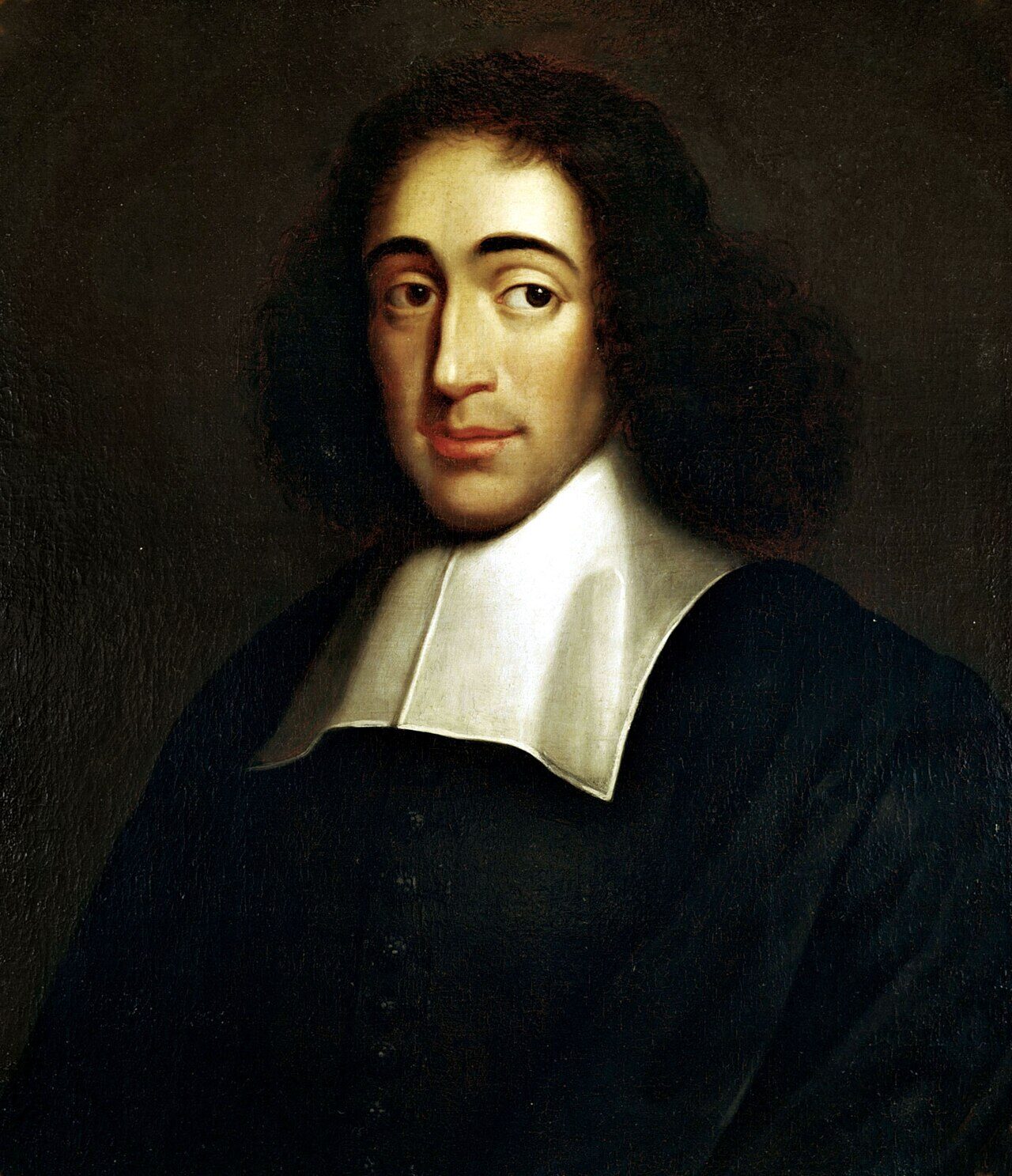
Early Modern · Rationalism
1632–1677
Developed a geometric philosophy of one infinite substance, human emotion, freedom, and intellectual love.
Read profile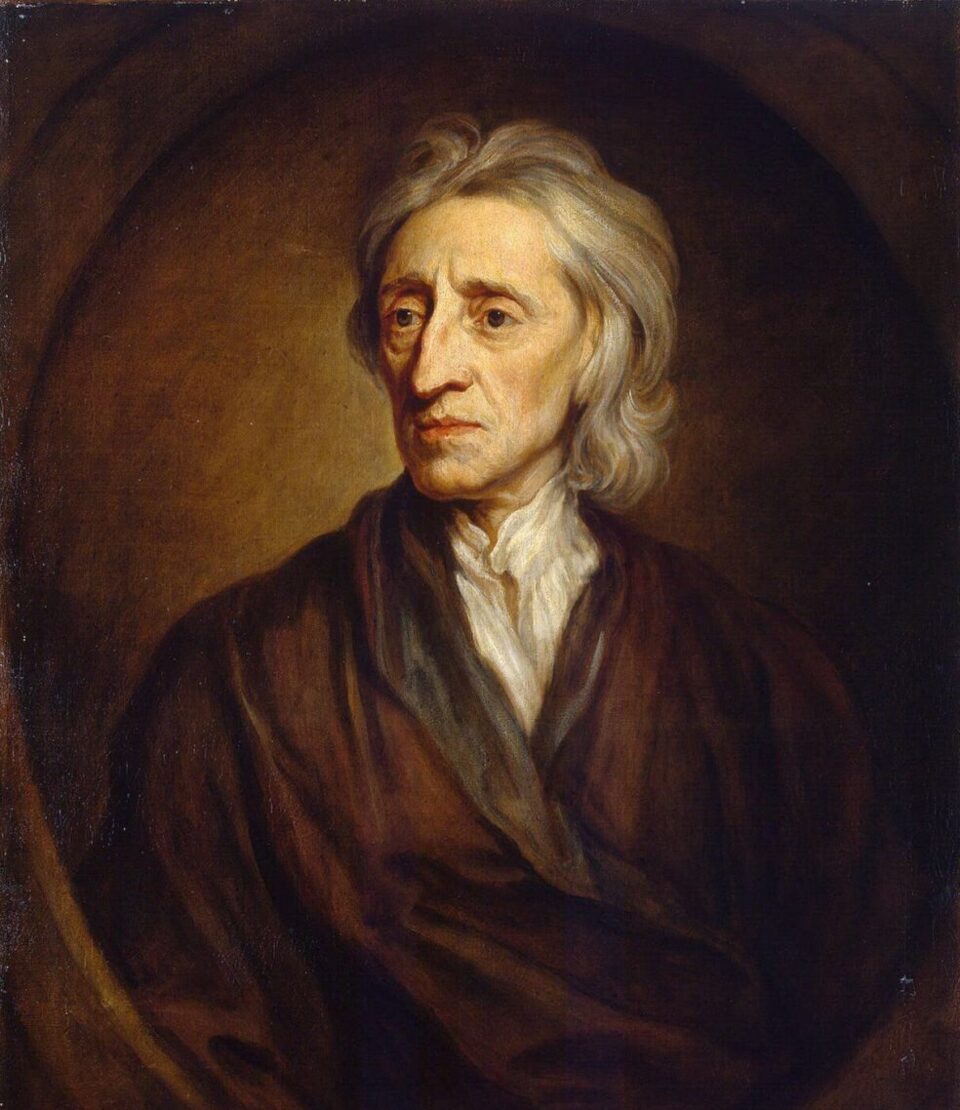
Enlightenment · Empiricism
1632–1704
A foundational theorist of experience, personal identity, toleration, natural rights, and limited government.
Read profile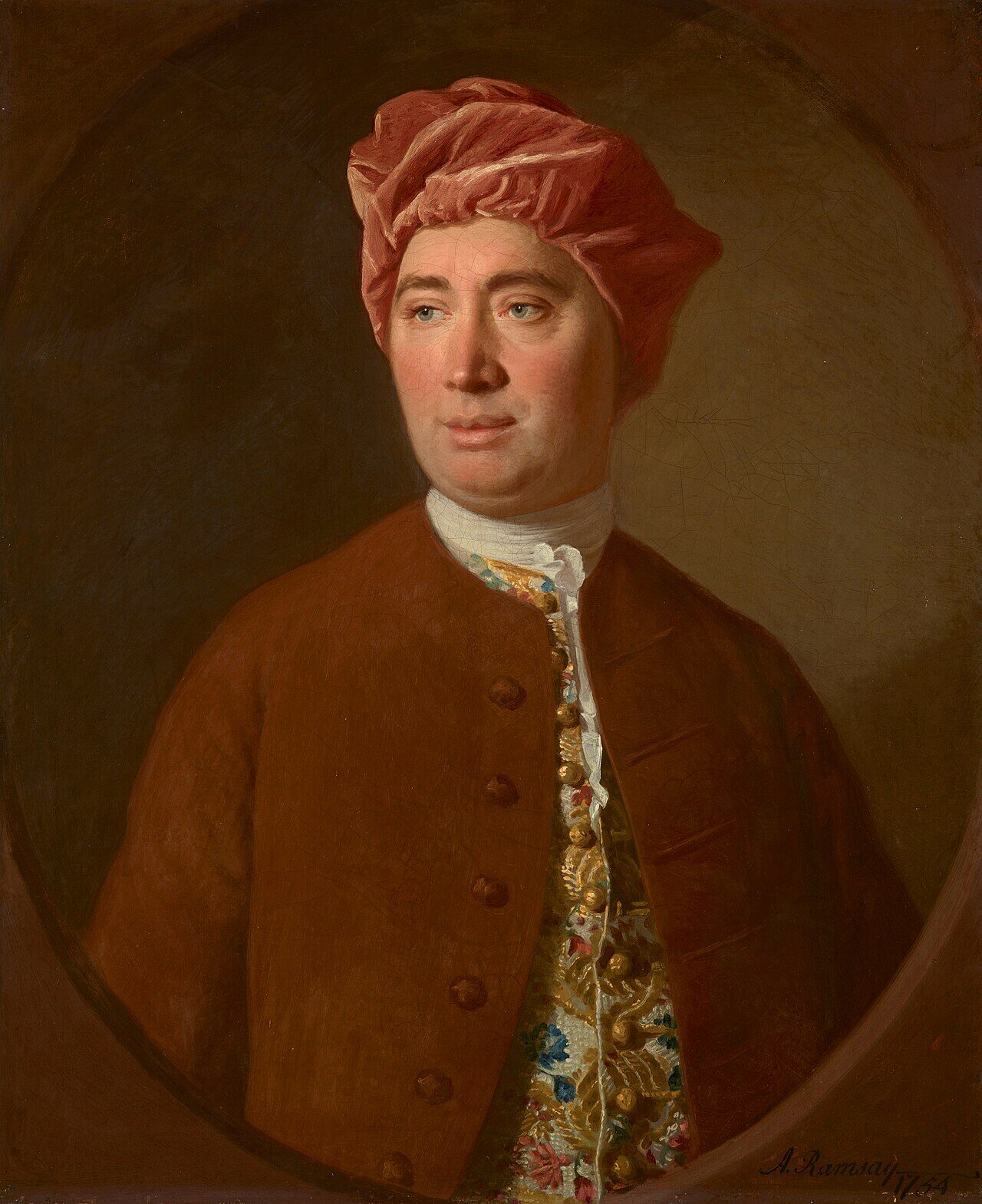
Enlightenment · Empiricism
1711–1776
A radical empiricist and naturalist who challenged causation, the self, religious argument, and rationalist ethics.
Read profile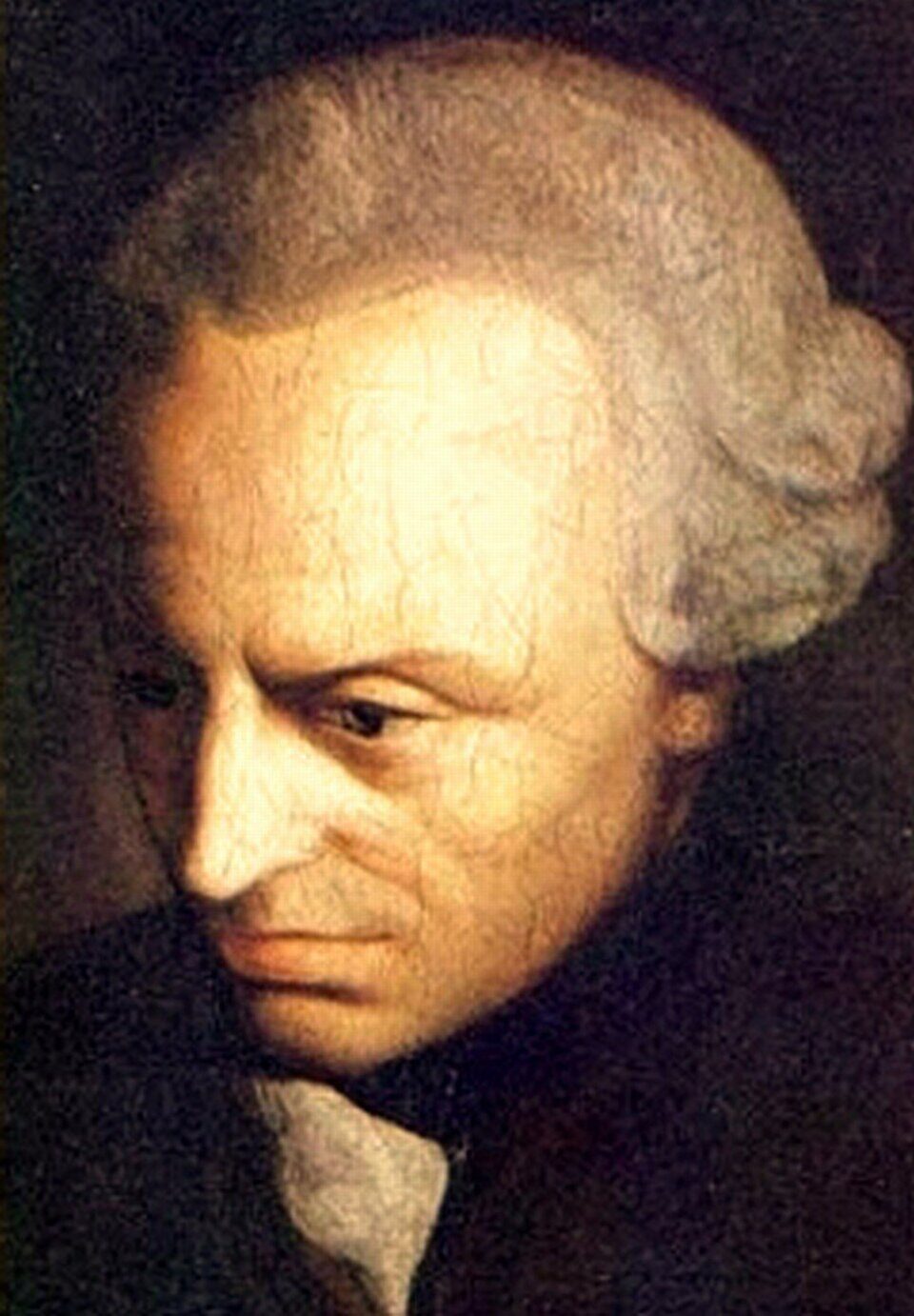
Enlightenment · Transcendental idealism
1724–1804
Recast knowledge, ethics, and aesthetics by asking how the mind structures experience and how freedom grounds duty.
Read profile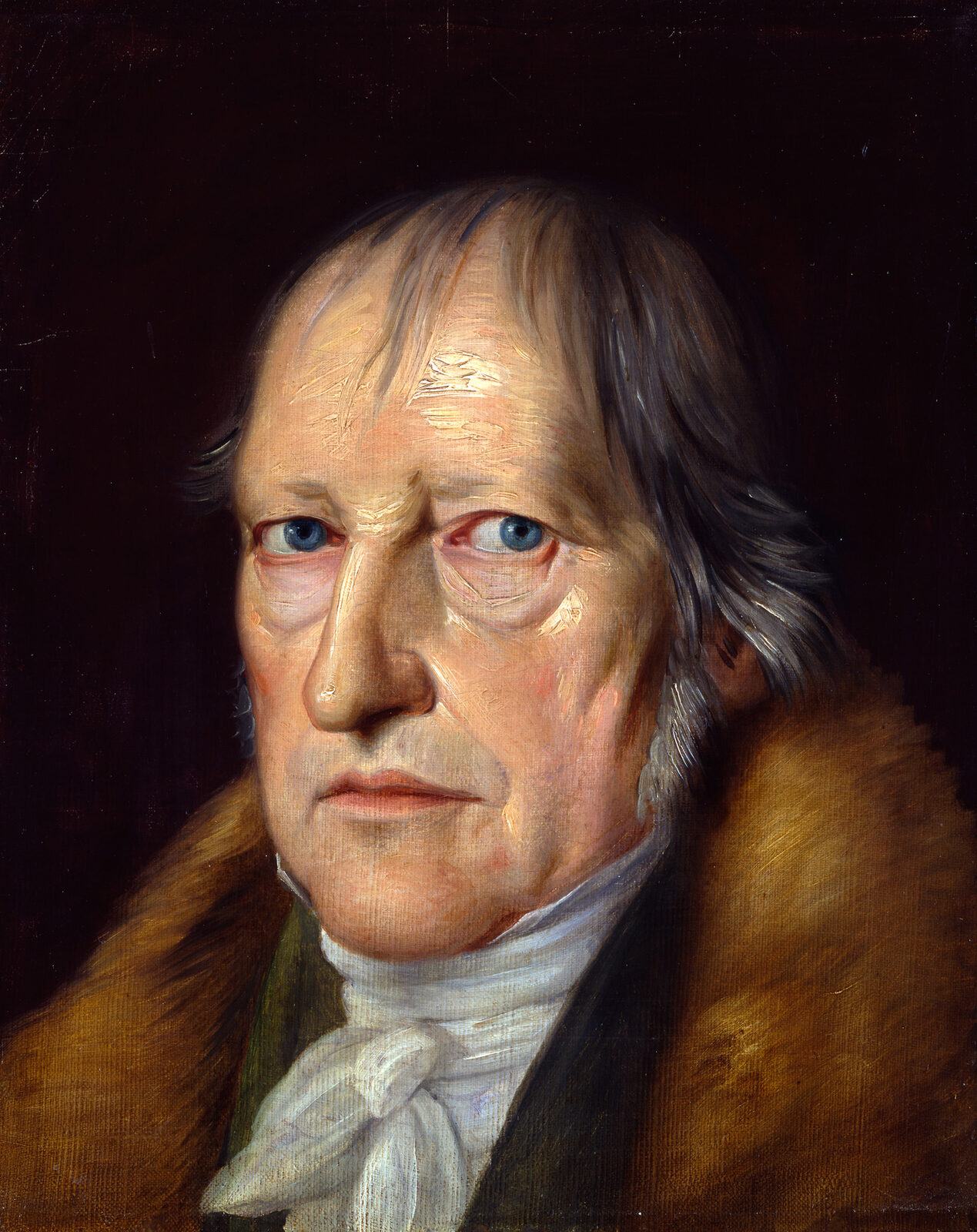
Modern · German idealism
1770–1831
Argued that thought, history and freedom develop through their own contradictions, and that what looks like a succession of dead systems is one argument working itself out.
Read profile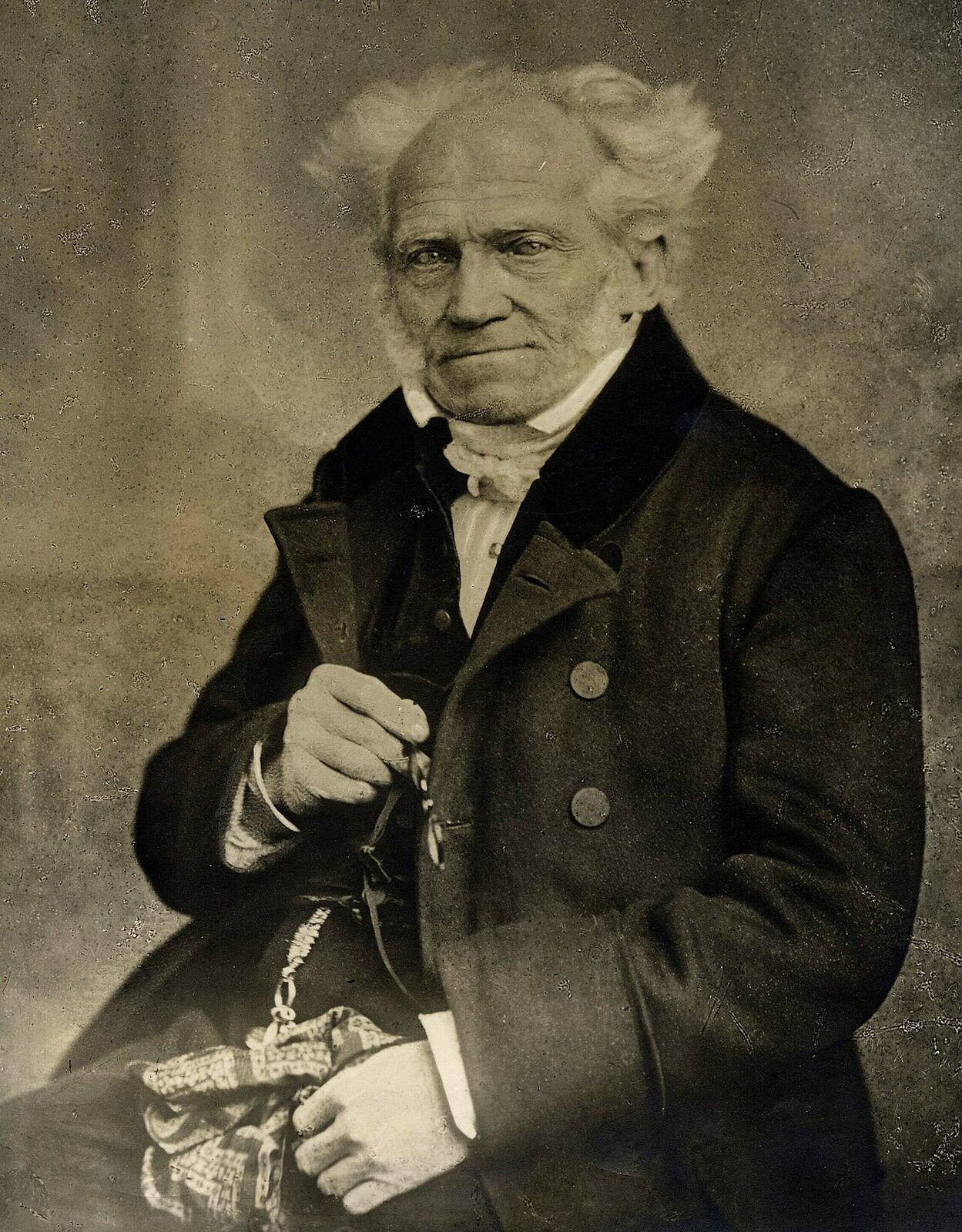
Modern · Pessimism
1788–1860
Interpreted reality as ceaseless striving while locating relief in art, compassion, and the quieting of desire.
Read profile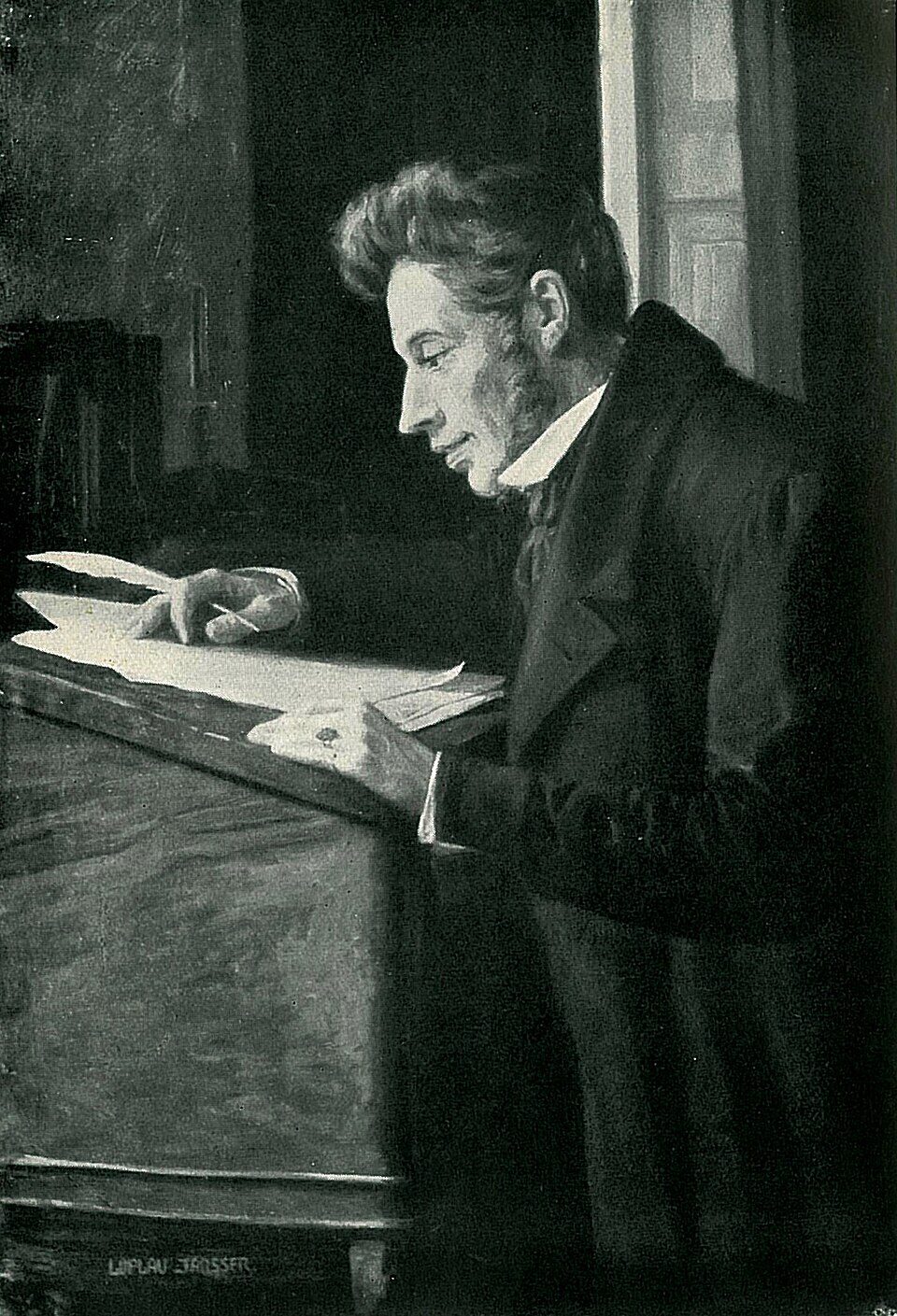
Modern · Existentialism
1813–1855
Explored anxiety, faith, choice, and the irreducible inwardness of an individual life.
Read profile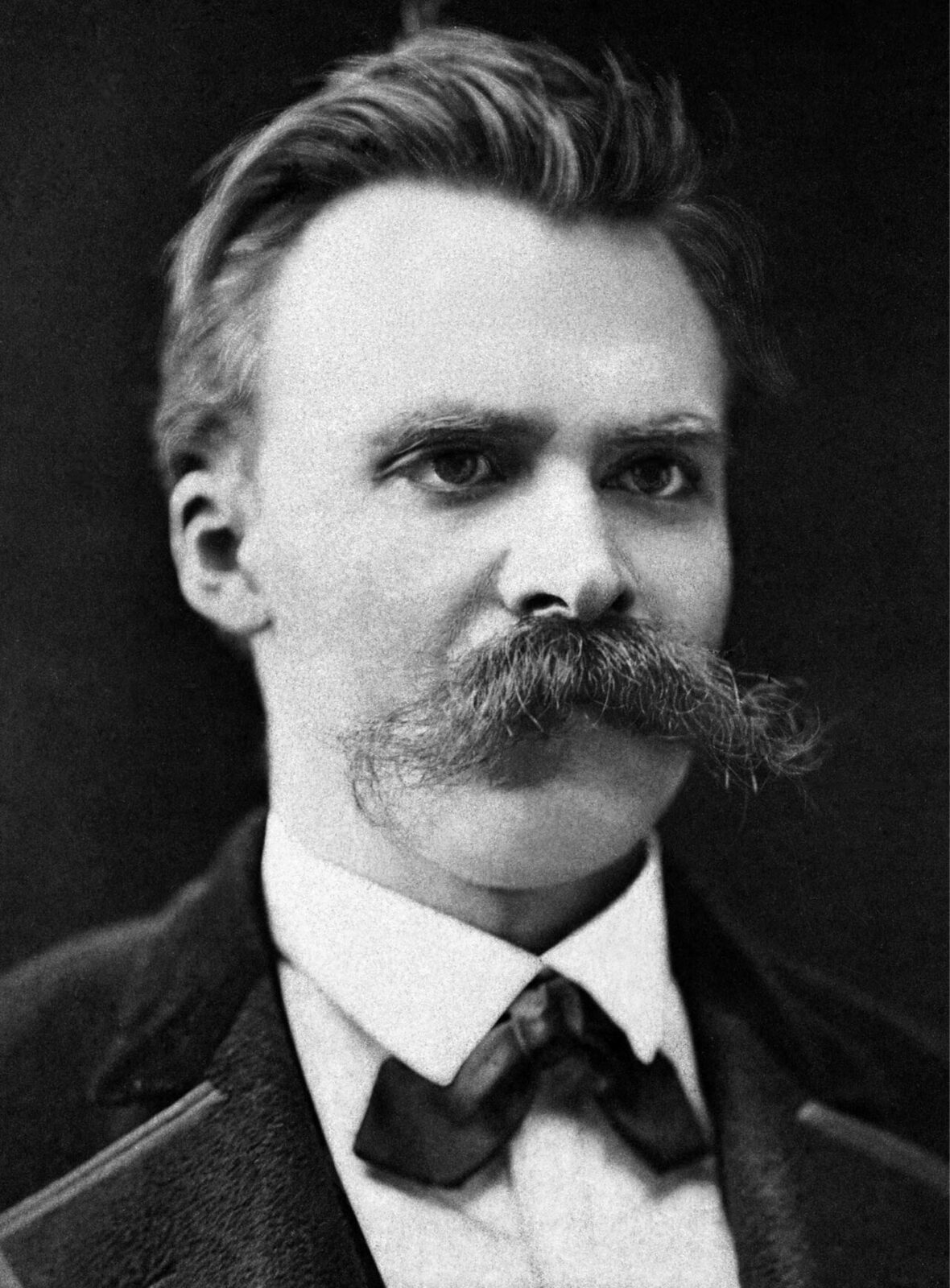
Modern · Nihilism
1844–1900
Diagnosed inherited values and nihilism, asking how life might create values after the decline of metaphysical certainty.
Read profile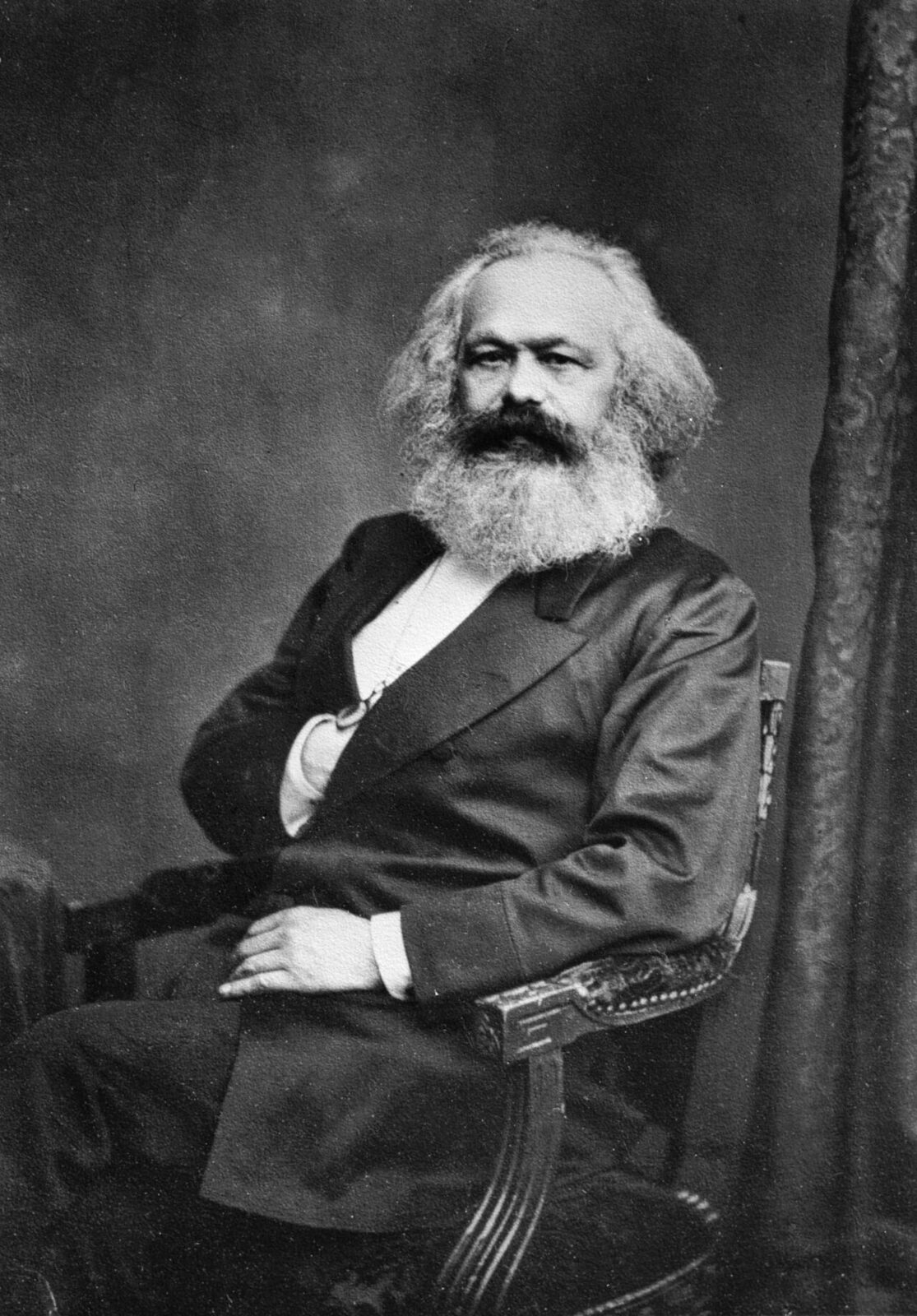
Modern · Marxism
1818–1883
Analyzed capitalism through labor, class, alienation, and historical transformation.
Read profile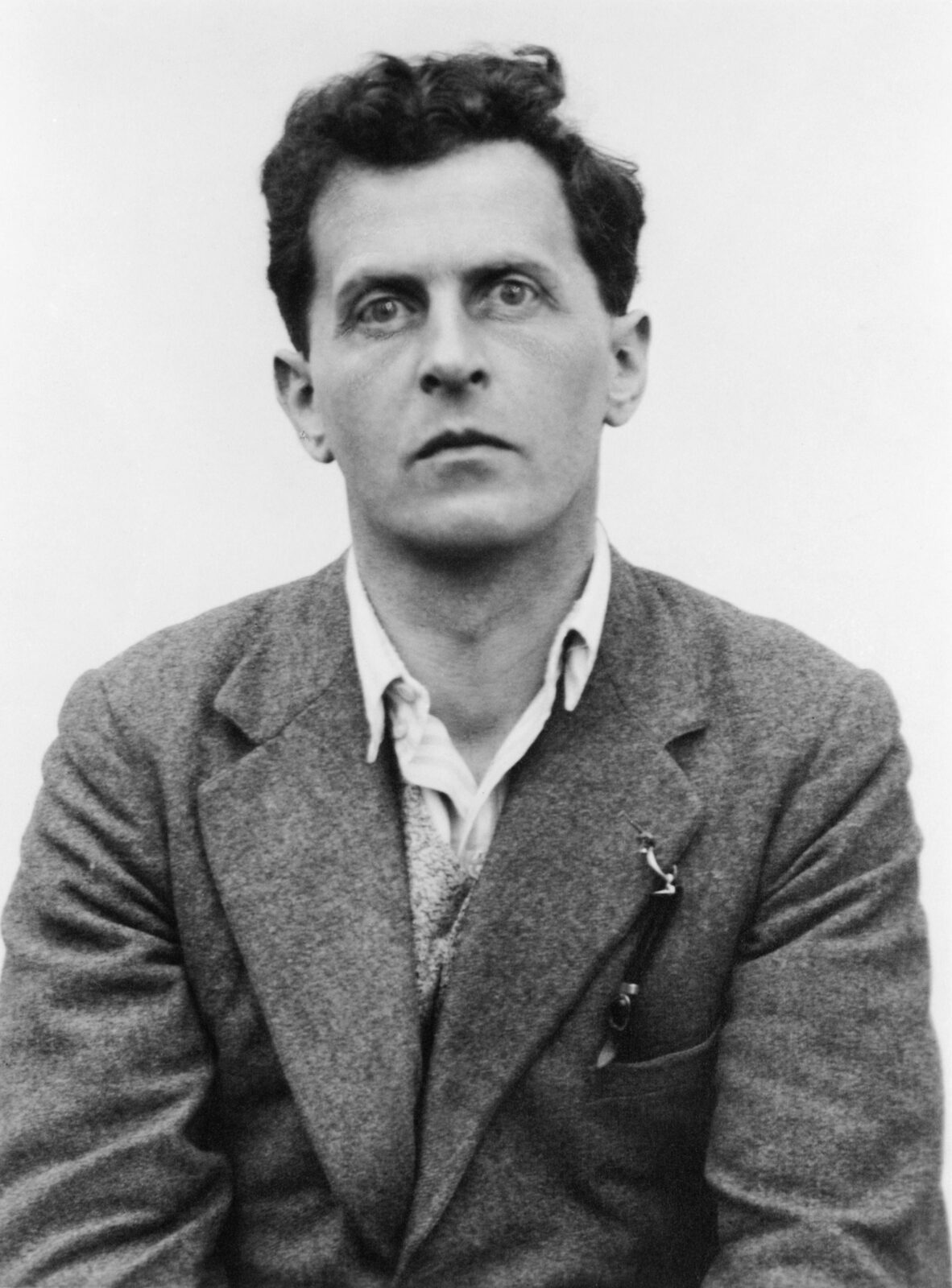
20th Century · Analytic philosophy
1889–1951
Wrote one book that claimed to have solved philosophy's problems, spent the rest of his life dismantling it, and left the second book unpublished at his death.
Read profile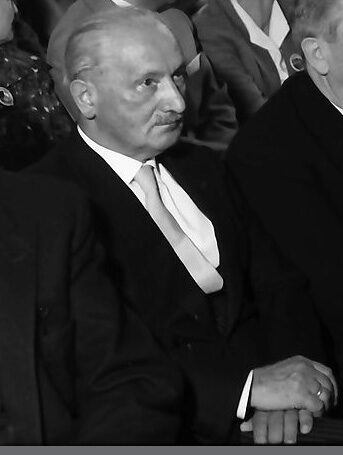
20th Century · Phenomenology
1889–1976
Reopened the question of what it means to be at all, and compromised himself irreparably by joining the Nazi party as rector of Freiburg in 1933.
Read profile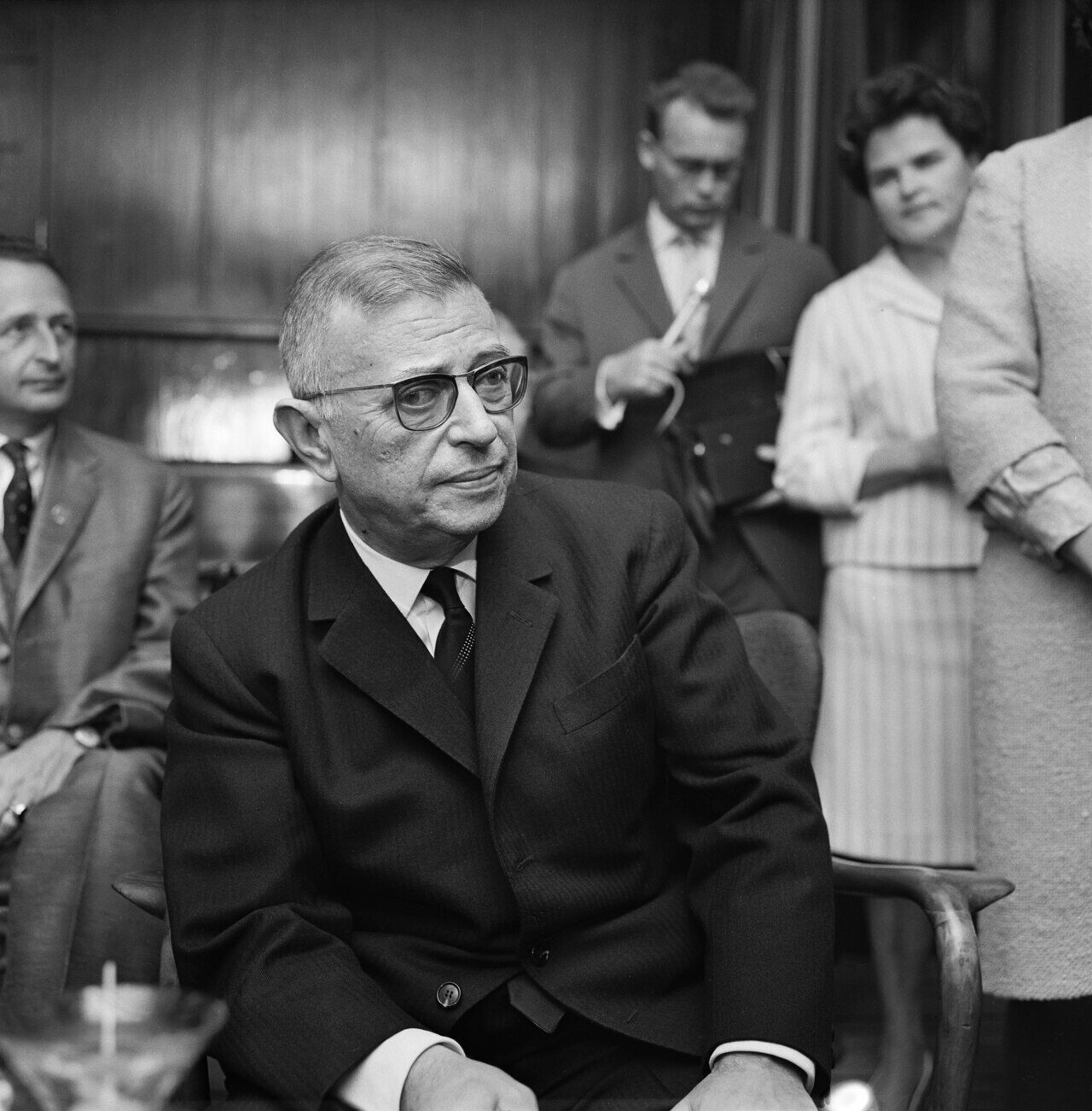
20th Century · Existentialism
1905–1980
Argued that radical freedom and responsibility shape human existence in a world without predetermined essence.
Read profile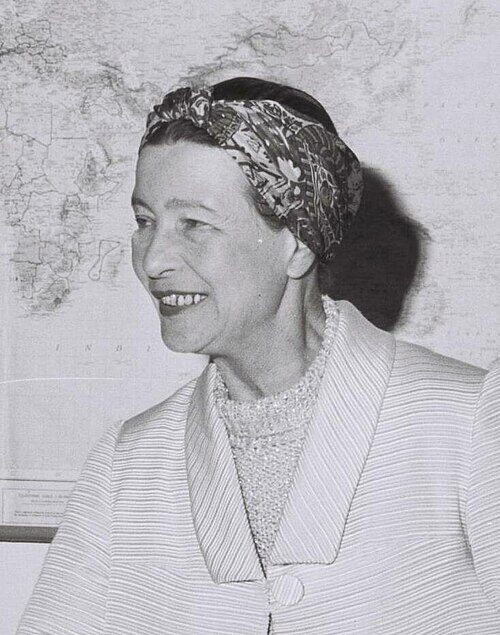
20th Century · Existentialism
1908–1986
Connected existential freedom to embodiment, gender, oppression, ambiguity, and reciprocal recognition.
Read profile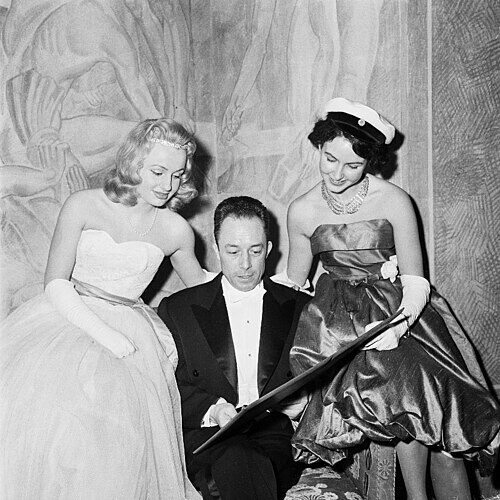
20th Century · Absurdism
1913–1960
Confronted the tension between our hunger for meaning and the world’s silence, answering it with lucidity and revolt.
Read profile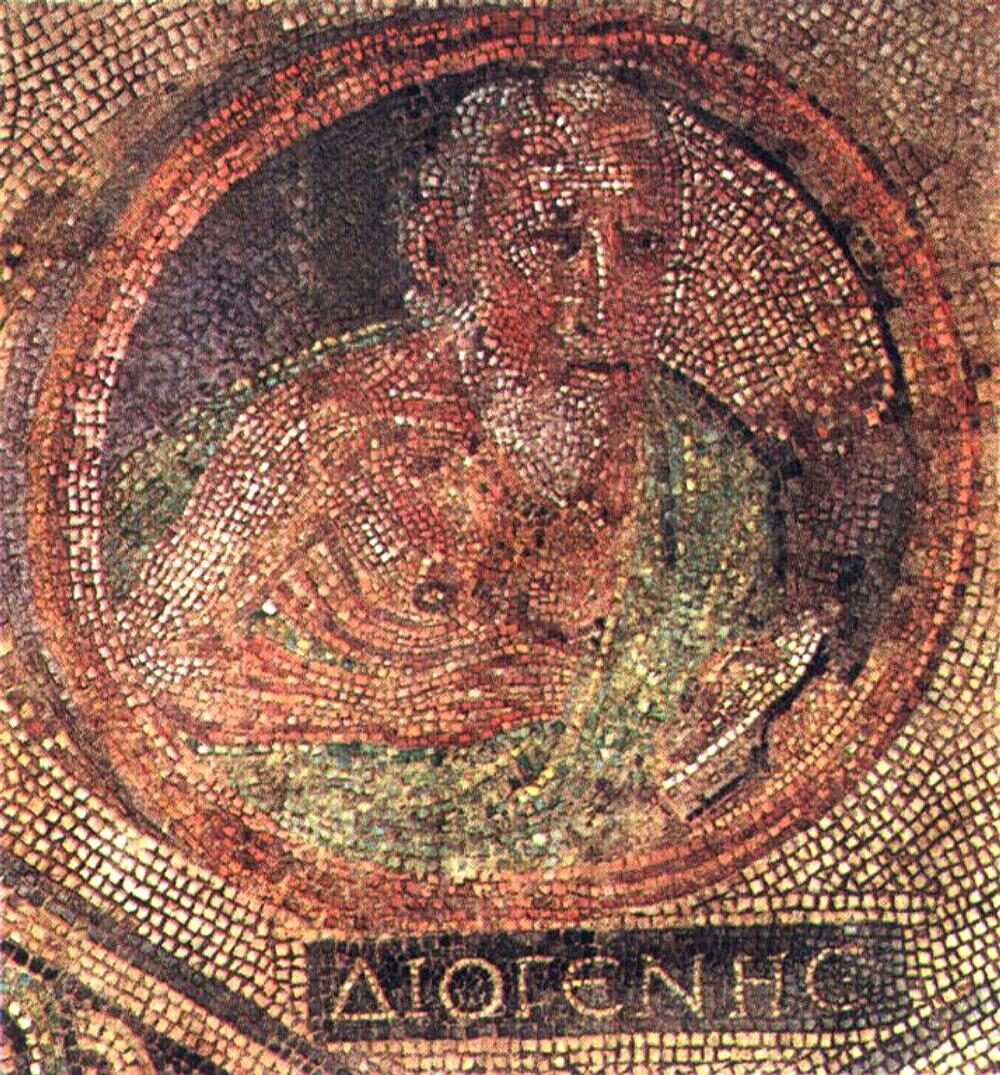
Ancient · Cynicism
c. 412/404–323 BCE
The most famous Cynic made philosophy visible as a life of radical simplicity, shameless truth-telling, and contempt for empty convention.
Read profile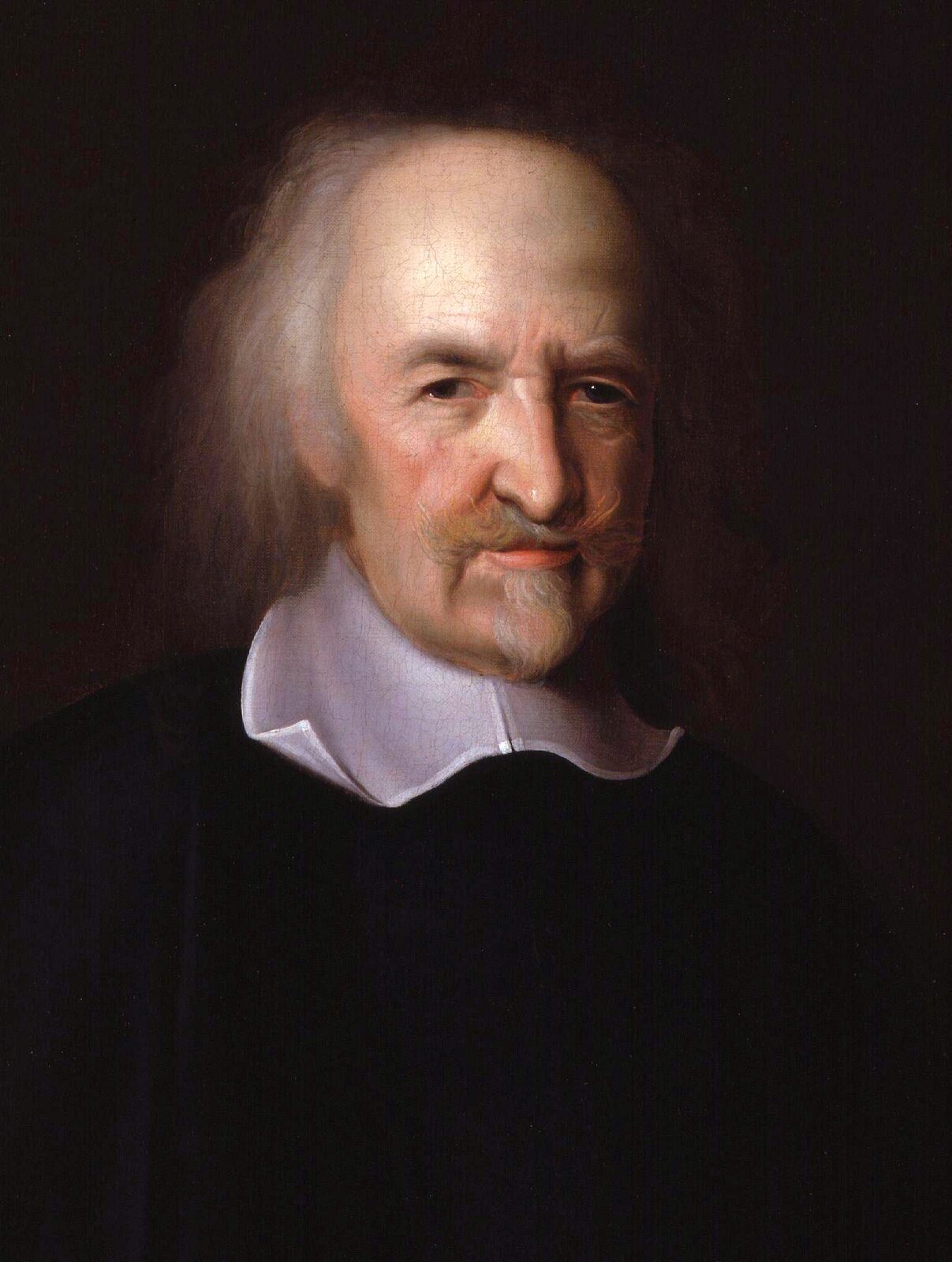
Early Modern · Social Contract
1588–1679
Hobbes rebuilt political authority from fear, equality, and consent, arguing that peace requires a common power strong enough to end private war.
Read profile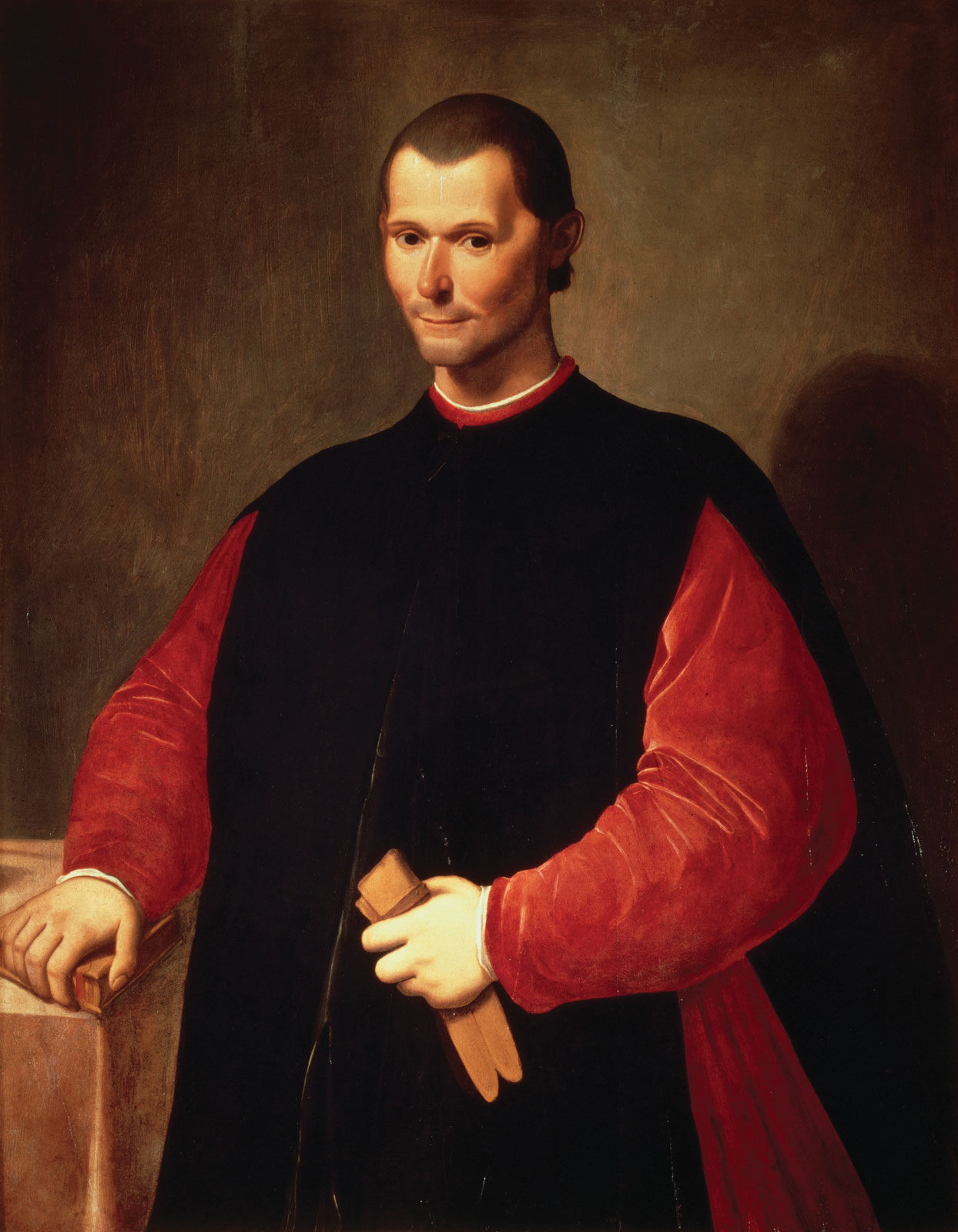
Renaissance · Political Realism
1469–1527
A Florentine analyst of power who separated political judgement from pious appearance and asked how republics and rulers actually survive.
Read profile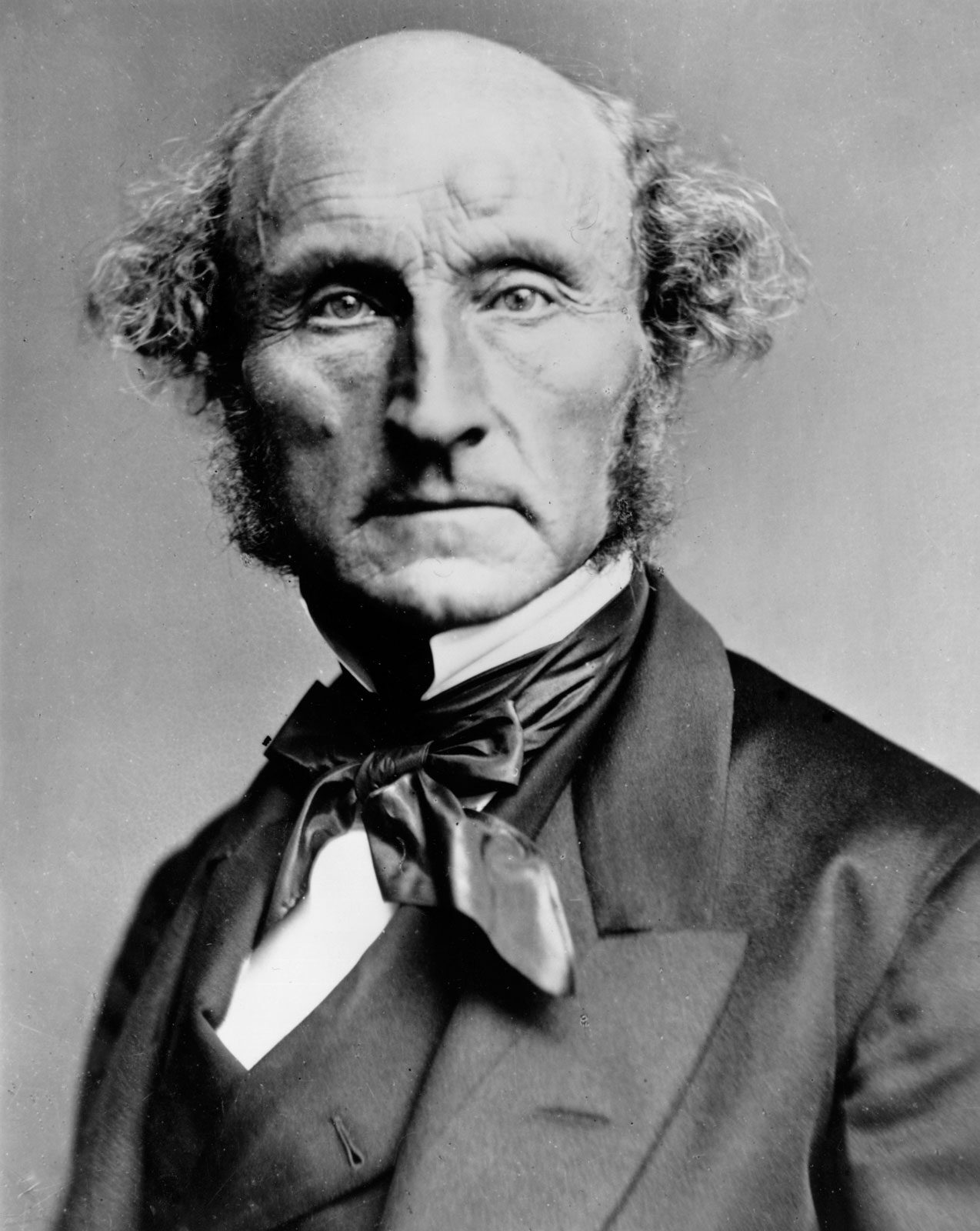
Modern · Utilitarianism
1806–1873
Mill refined utilitarian ethics while defending individuality, free discussion, representative government, and women’s equality.
Read profile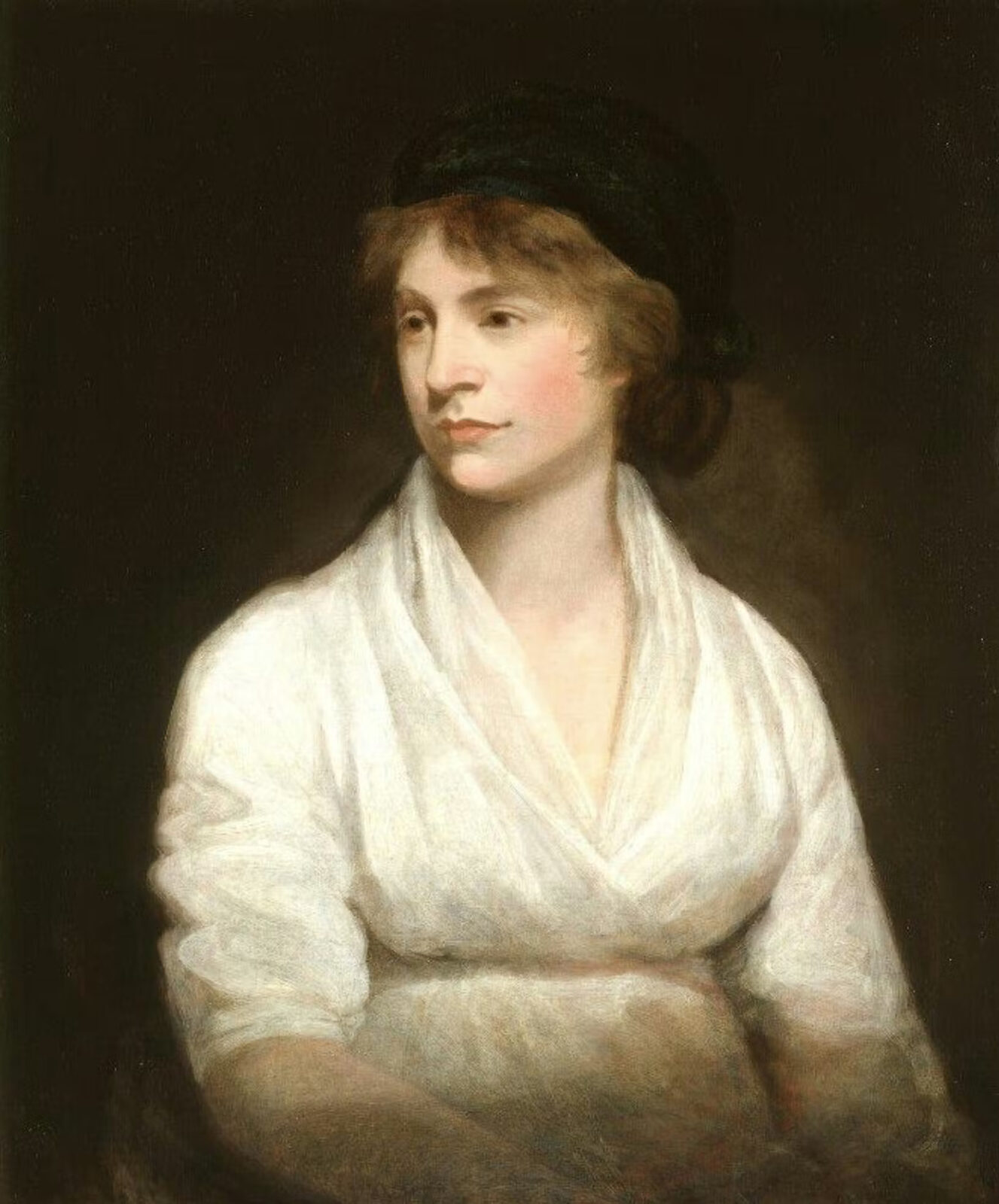
Enlightenment · Feminism
1759–1797
An Enlightenment radical who argued that women’s apparent weakness was produced by education, dependency, and political exclusion.
Read profile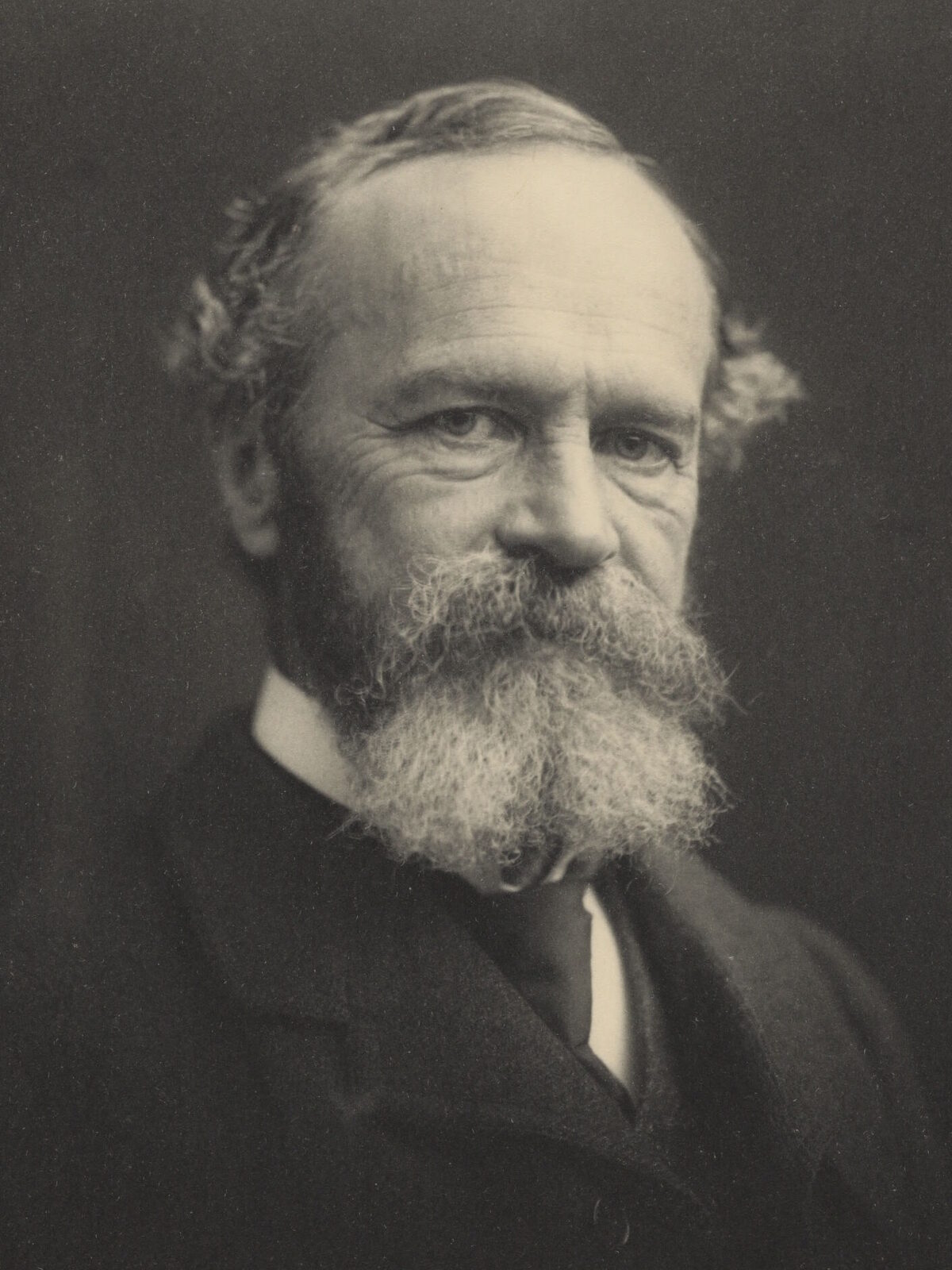
Modern · Pragmatism
1842–1910
Psychologist and philosopher who made truth, belief, religion and experience answerable to their consequences in life.
Read profile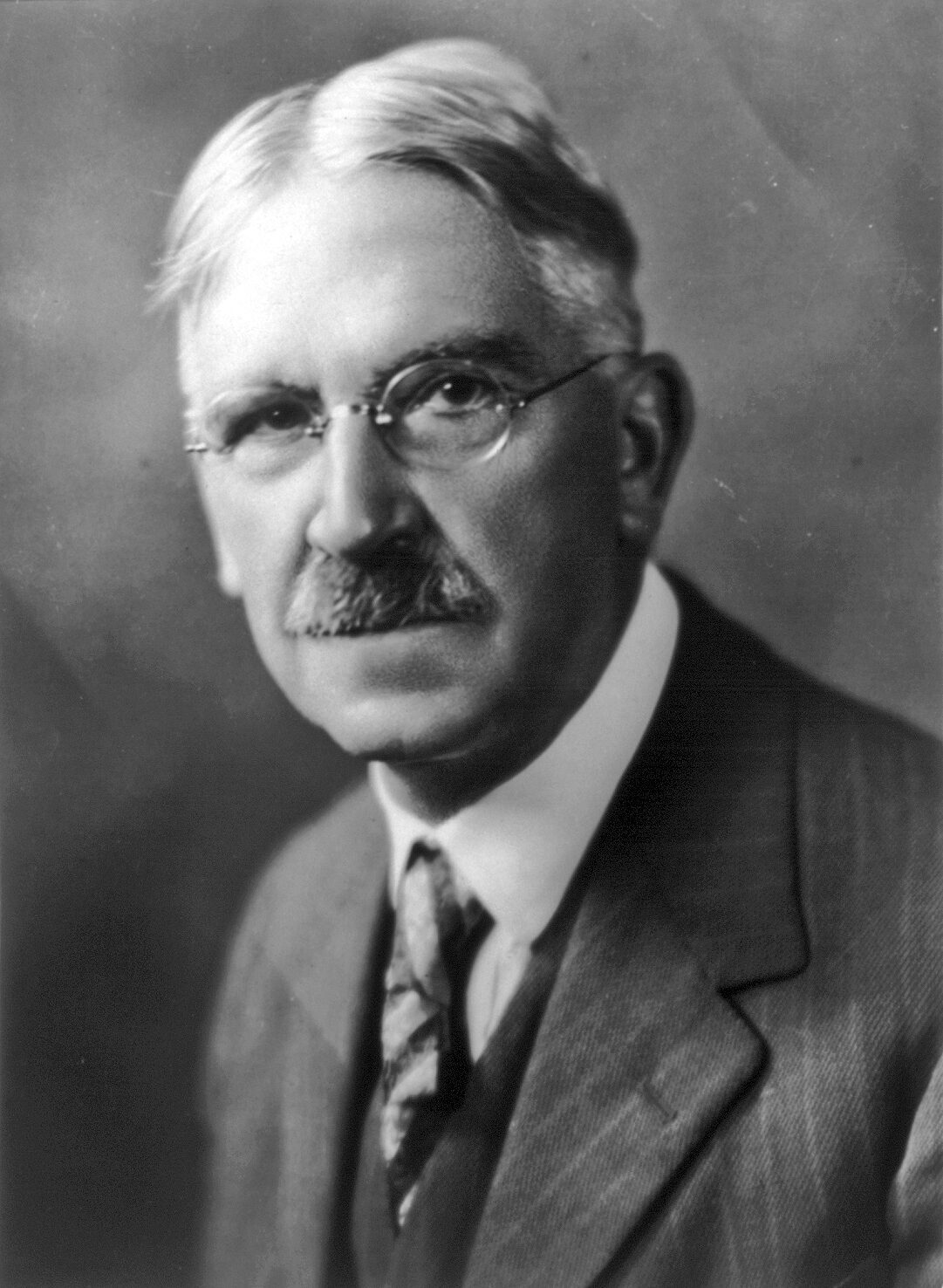
20th Century · Pragmatism
1859–1952
Dewey recast philosophy as experimental inquiry, joining democracy, education, science and ordinary problem-solving.
Read profile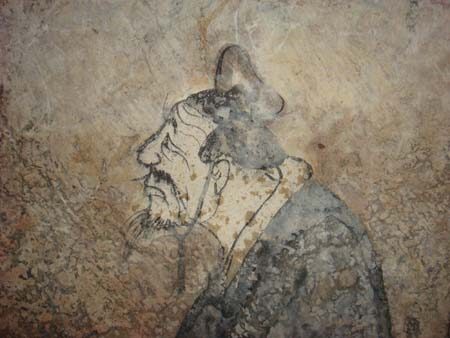
Ancient · Confucianism
551–479 BCE
A Chinese teacher of ritual, humane conduct, family responsibility and cultivated judgement whose conversations shaped East Asian moral and political life.
Read profile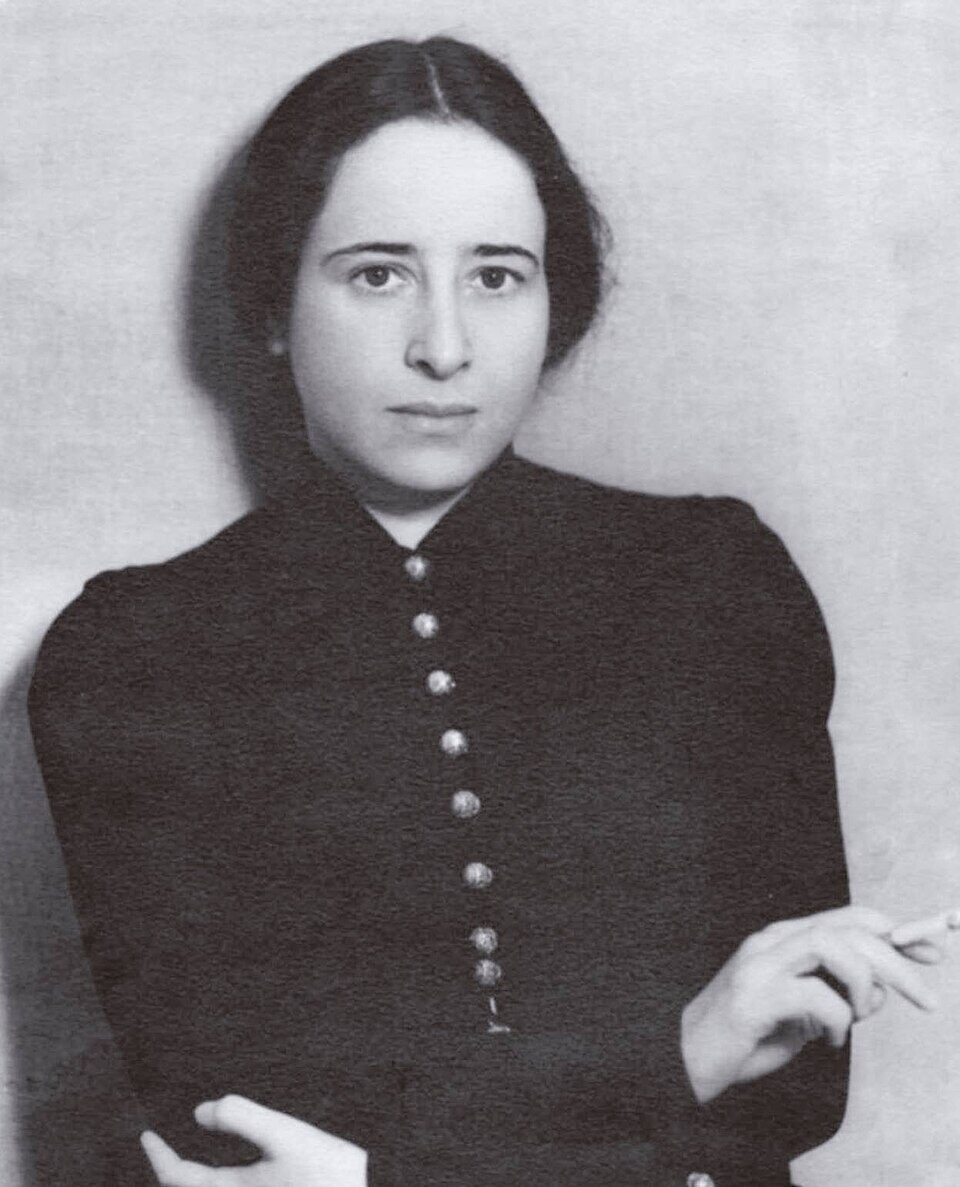
20th Century · Political philosophy
1906–1975
Examined action, plurality, judgment, totalitarianism, and the fragile public world people build together.
Read profile