Life
Epictetus in their own century
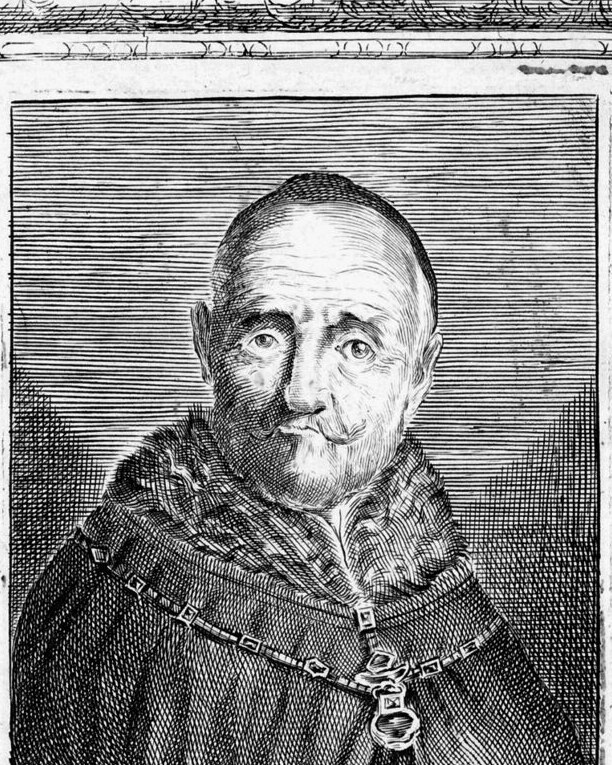
Born enslaved in Hierapolis, Epictetus studied Stoicism while in the household of a freedman of Nero, was later freed, and taught in Rome until Domitian expelled philosophers from Italy. He then founded a school at Nicopolis in Epirus.
His audience was largely young Roman men bound for public life, and he addressed them from the memory of servitude — which gives his account of what can and cannot be taken from a person its force.
Central ideas
Dichotomy of control
Judgement, desire and assent are up to us; body, reputation, office and other people are not, and confusing the two is the source of disturbance.
Moral agency
Because the will cannot be coerced, a person can be imprisoned or enslaved without being made to assent to a false judgement.
Discipline
He prescribes exercises — role rehearsal, attention on rising, examination at night — and insists that quoting Chrysippus is worth nothing without them.
Criticism & debate
Critics argue that a philosophy addressed to what cannot be changed can dull the urge to change unjust conditions, and that his sharp line between inner and outer understates how much circumstances shape judgement itself.
Influence
The Enchiridion was copied for centuries, adapted for Christian monastic use, read closely by Marcus Aurelius, and is a direct source for modern cognitive behavioural therapy.
How to read them
Begin Epictetus with the tension between dichotomy of control and moral agency. Read the major works slowly enough to notice how biography, public crisis and method shape the argument rather than treating the thinker as a list of doctrines.
If Epictetus is right about dichotomy of control, what habit of judgement would have to change first?
In their words
“Some things are in our control and others not.”
“Men are disturbed not by things, but by the views which they take of them.”
“Do not seek to have events happen as you want them to, but instead want them to happen as they do happen.”