Life
Albert Camus in their own century
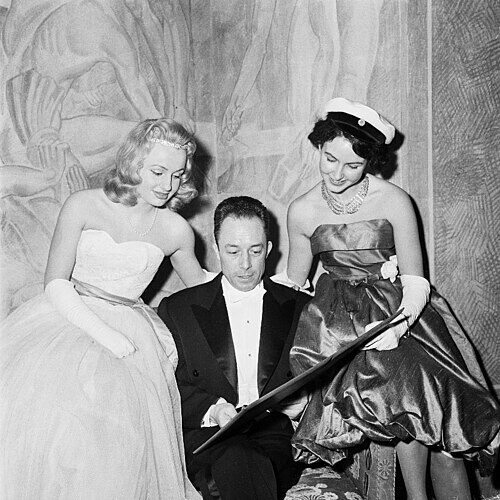
Born to a poor family in French Algeria and raised by his illiterate mother after his father died at the Marne, Camus worked as a journalist, edited the resistance paper Combat, won the Nobel Prize in 1957 and died in a car crash three years later.
The Mediterranean light of his childhood and the Algerian war define him: he opposed both colonial injustice and the targeting of civilians, a position that isolated him from most of the French left.
Central ideas
The absurd
The absurd is not in the world or in us but in the confrontation between a demand for meaning and a universe that returns no answer.
Revolt
Neither suicide nor a religious leap honours that confrontation; revolt means holding it open, living without consolation and without resignation.
Solidarity
Rebellion discovers a value in the act itself — “I rebel, therefore we exist” — which sets limits on what a rebel may do to others.
Criticism & debate
Sartre’s circle attacked The Rebel as politically naive; later critics, including Edward Said, note how little Algeria’s Arab population figures in his fiction, and philosophers question whether revolt is a stable position.
Influence
He gave absurdism its classic statement, shaped post-war literature, and remains a touchstone for writing about plague, terror and political violence.
How to read them
Begin Albert Camus with the tension between the absurd and revolt. Read the major works slowly enough to notice how biography, public crisis and method shape the argument rather than treating the thinker as a list of doctrines.
If Albert Camus is right about the absurd, what habit of judgement would have to change first?
In their words
“One must imagine Sisyphus happy.”
“I rebel, therefore we exist.”
“In the midst of winter, I found there was, within me, an invincible summer.”