Liberalism
Rights, toleration, individuality, and limits on coercive power.
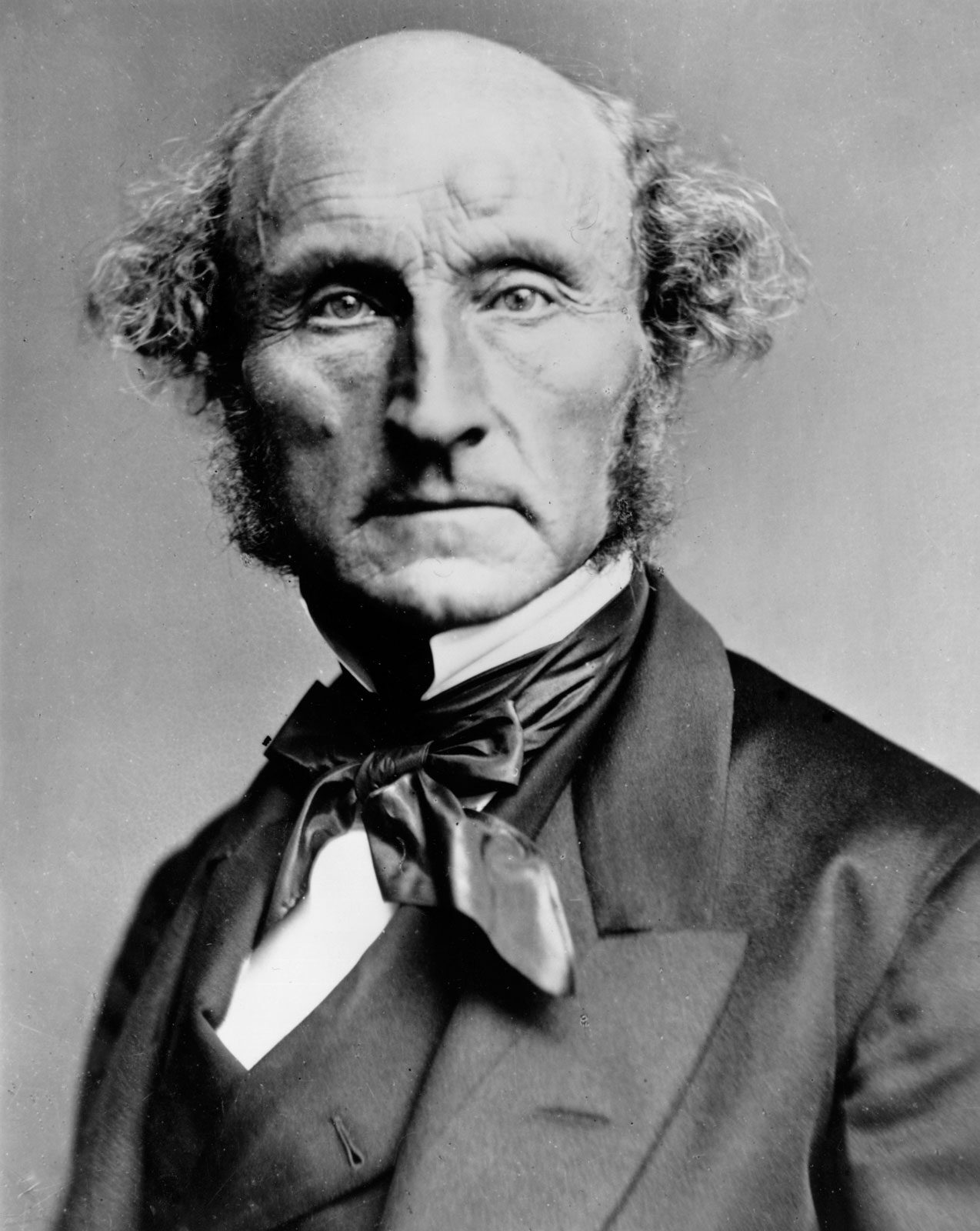
John Stuart Mill, London Stereoscopic Company, c. 1870 · Wikimedia Commons
Origin
Liberalism grew from early modern rights theory, religious toleration, commercial society and later democratic movements for speech, association and legal equality.
Central claims
- Individuals need protected space for conscience, speech and experiment.
- Power should be limited by rights, law and public justification.
- Toleration is a political discipline, not indifference to truth.
Criticism
Communitarian, socialist and postcolonial critics argue that liberalism can imagine isolated individuals while underplaying dependency, labour and imperial history.
Development
Liberalism developed through struggles over toleration, property, speech, representation and minority rights. It is strongest when it recognises that formal liberty requires institutions capable of protecting dissenters and limiting concentrated power.
Legacy
Its contemporary problem is not simply defending freedom but explaining the material, educational and civic conditions under which freedom becomes more than a legal abstraction.
In their words
“The mind is at first what we may call white paper, void of all characters.”
“No man’s knowledge here can go beyond his experience.”
“Over himself, over his own body and mind, the individual is sovereign.”