Political Realism
Power, fortune, fear, and institutions viewed without consoling illusion.
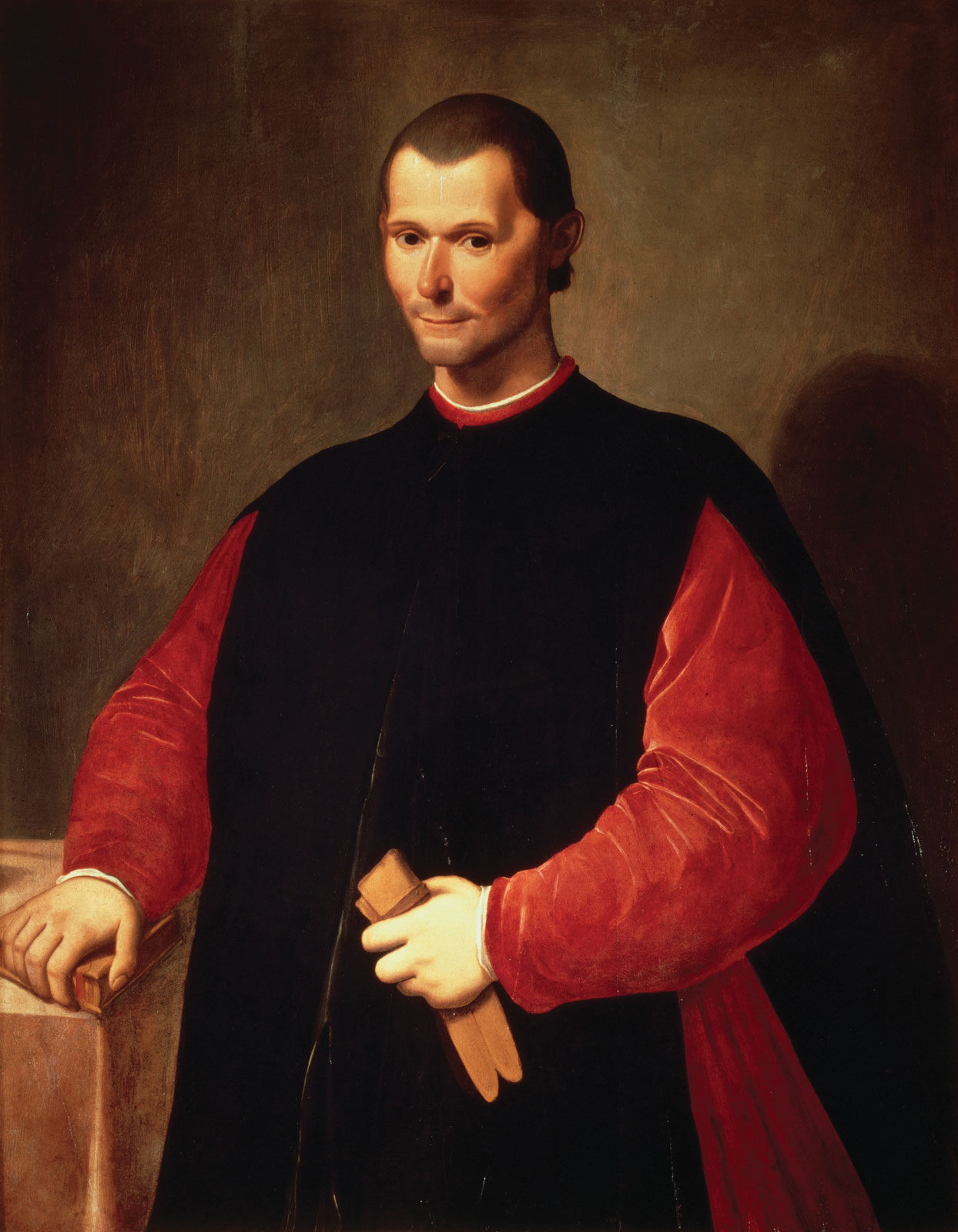
Niccolò Machiavelli by Santi di Tito · Palazzo Vecchio, Florence
Origin
Political realism runs from Thucydides and Machiavelli through Hobbes and modern international theory, asking what power does before asking what it ought to do.
Central claims
- Politics has its own necessities that moral language can conceal.
- Institutions must be designed for ambition, fear and fortune, not for angels.
- A serious account of justice must understand power’s habits and incentives.
Criticism
Realism can become resignation if it treats cruelty as necessity too quickly; its best use is diagnostic, forcing ideals to survive contact with institutions and conflict.
Development
Political realism develops wherever civil conflict, war or court intrigue exposes the weakness of abstract virtue. Its thinkers do not all celebrate power; they insist that ideals must be tested against fear, ambition and institutional incentives.
Legacy
Its value is sobering rather than cynical: realism asks what a just proposal would require from people as they are, not only as we wish them to be.
In their words
“Action, as distinguished from fabrication, is never possible in isolation.”
“Forgiveness is the only reaction which acts in an unexpected way and so retains, though being a reaction, something of the original character of action.”
“Men, not Man, live on the earth and inhabit the world.”