Humanism
Human dignity, agency, and shared flourishing.
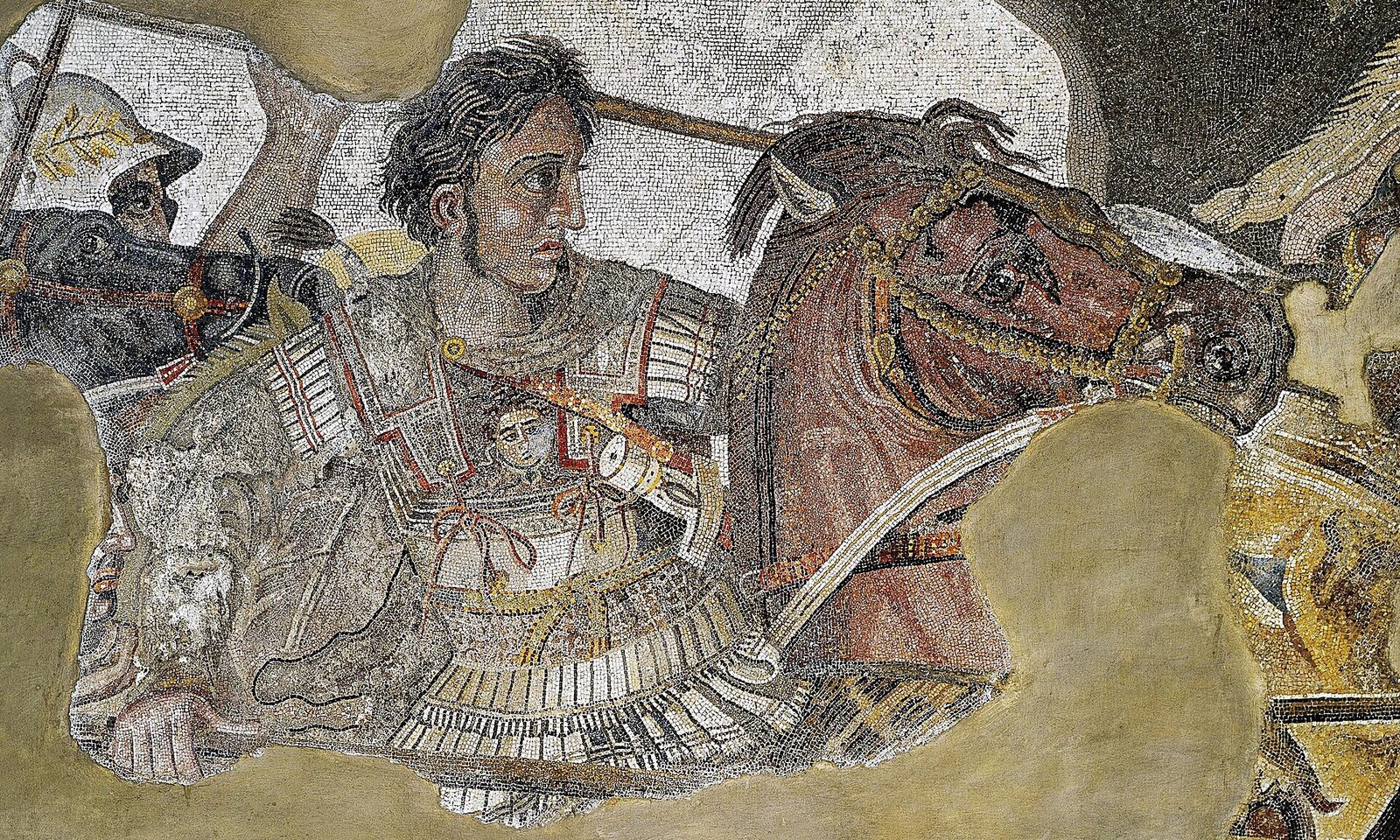
Alexander Mosaic (detail), House of the Faun, Pompeii, c. 100 BCE · National Archaeological Museum, Naples
Origin
Renaissance recovery of classical learning, later a broad tradition of secular ethical thought.
Central claims
- Human dignity and reason ground moral responsibility.
- Ethics can be pursued without appeal to revelation.
- Education and culture shape the capacity to live well.
Criticism
Critics question an implied hierarchy that places humanity above other life, and ask whose humanity has been counted.
Development
Humanism has Renaissance, Enlightenment, secular and existential forms. What unites them is attention to human formation: education, language, dignity, vulnerability and the institutions that either enlarge or stunt agency.
Legacy
Its best contemporary use is self-critical, defending human dignity while asking whose humanity earlier cultures excluded and how human flourishing fits within a more-than-human world.
In their words
“One is not born, but rather becomes, a woman.”
“The body is not a thing, it is a situation.”
“Education is a process of living and not a preparation for future living.”