Feminism
Freedom and equality examined through gender, power, body, and law.
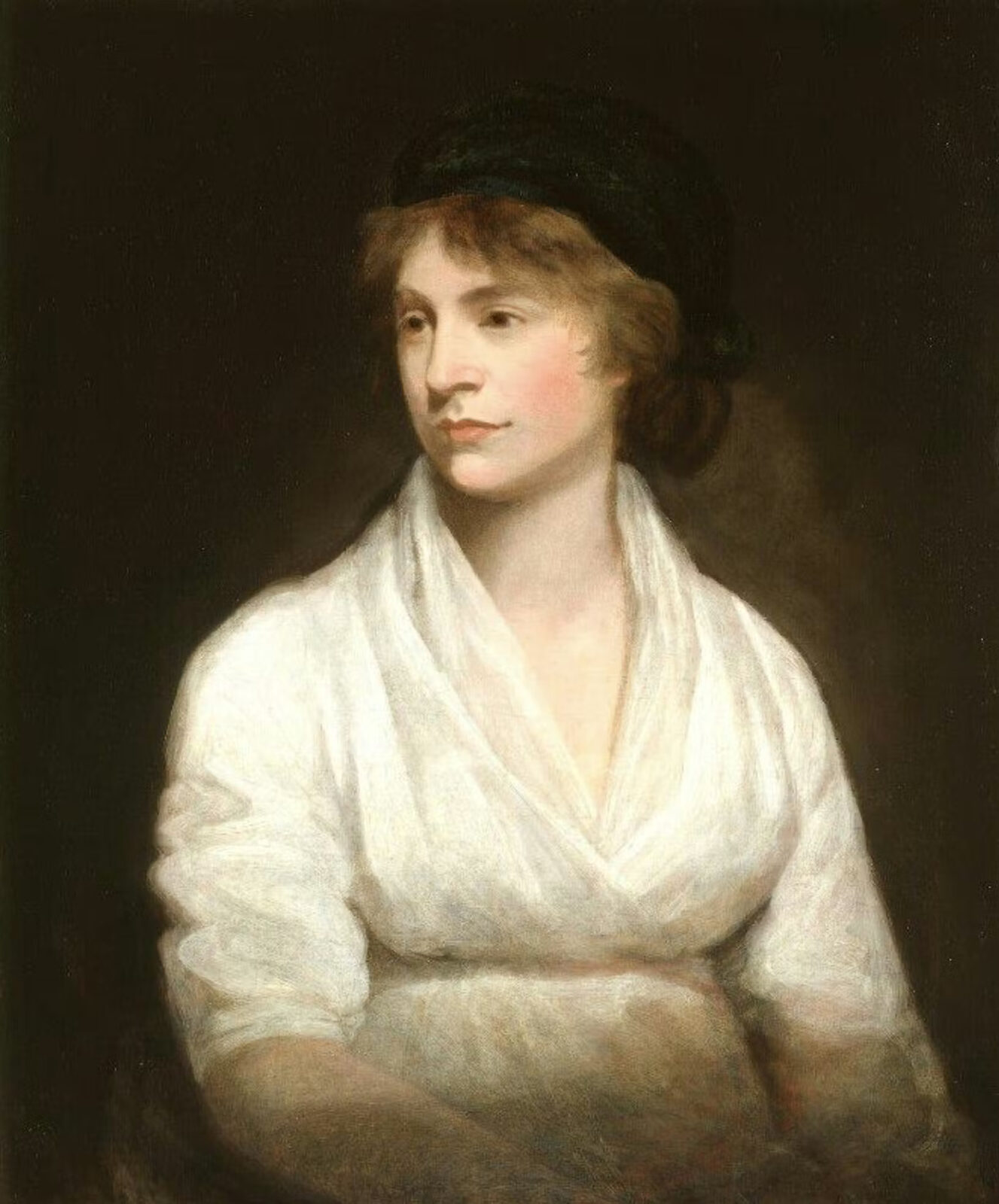
Mary Wollstonecraft by John Opie, c. 1797 · National Portrait Gallery, London
Origin
Feminist philosophy emerged from rights, abolitionist and socialist movements and now examines gendered power across ethics, knowledge, politics and embodiment.
Central claims
- Gender is not merely private identity but a structure of social power.
- Knowledge and moral theory change when excluded lives become evidence.
- Freedom requires material conditions, bodily autonomy and equal formation.
Criticism
The tradition continually criticises itself: earlier universal claims often centred white, European or middle-class women, prompting intersectional and postcolonial revisions.
Development
Feminist philosophy moves from rights and education to labour, sexuality, embodiment, race, colonialism and knowledge itself. It changes the archive by asking whose experience was excluded from supposedly universal arguments.
Legacy
Its legacy is methodological as well as political: concepts such as autonomy, justice and objectivity look different when dependency, care and unequal vulnerability are not treated as marginal cases.
In their words
“One is not born, but rather becomes, a woman.”
“Action, as distinguished from fabrication, is never possible in isolation.”
“Forgiveness is the only reaction which acts in an unexpected way and so retains, though being a reaction, something of the original character of action.”