Confucianism
Ritual, humane conduct, education, family roles, and exemplary rule.
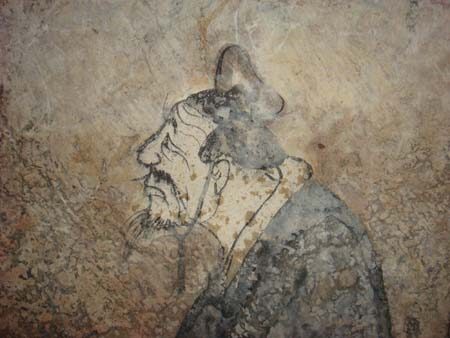
Confucius, fresco from a Western Han tomb, Dongping County, Shandong · Wikimedia Commons
Origin
Confucianism begins with the teachings associated with Kongzi in late Zhou China and develops through Mengzi, Xunzi, Han statecraft and later Neo-Confucian metaphysics.
Central claims
- Ethical life is formed through relationships, ritual and cultivated attention.
- Good government depends on exemplary persons more than coercive law alone.
- Learning is a lifelong practice of self-correction and humane conduct.
Criticism
Critics challenge its historical entanglement with hierarchy, patriarchy and bureaucracy; contemporary defenders stress reciprocity, moral education and obligations of rulers.
Development
Confucianism became a civilisational tradition through commentaries, examinations, family rituals and state institutions. It holds together inward cultivation and outward form, making ethics visible in speech, ceremony and service.
Legacy
It remains a major alternative to individualist moral theory, asking how persons are formed through roles and how hierarchy can be judged by reciprocity and humane rule.
In their words
“To learn and at due times to repeat what one has learnt, is that not after all a pleasure?”