Epicureanism
Tranquility through friendship, prudence, and modest pleasure.
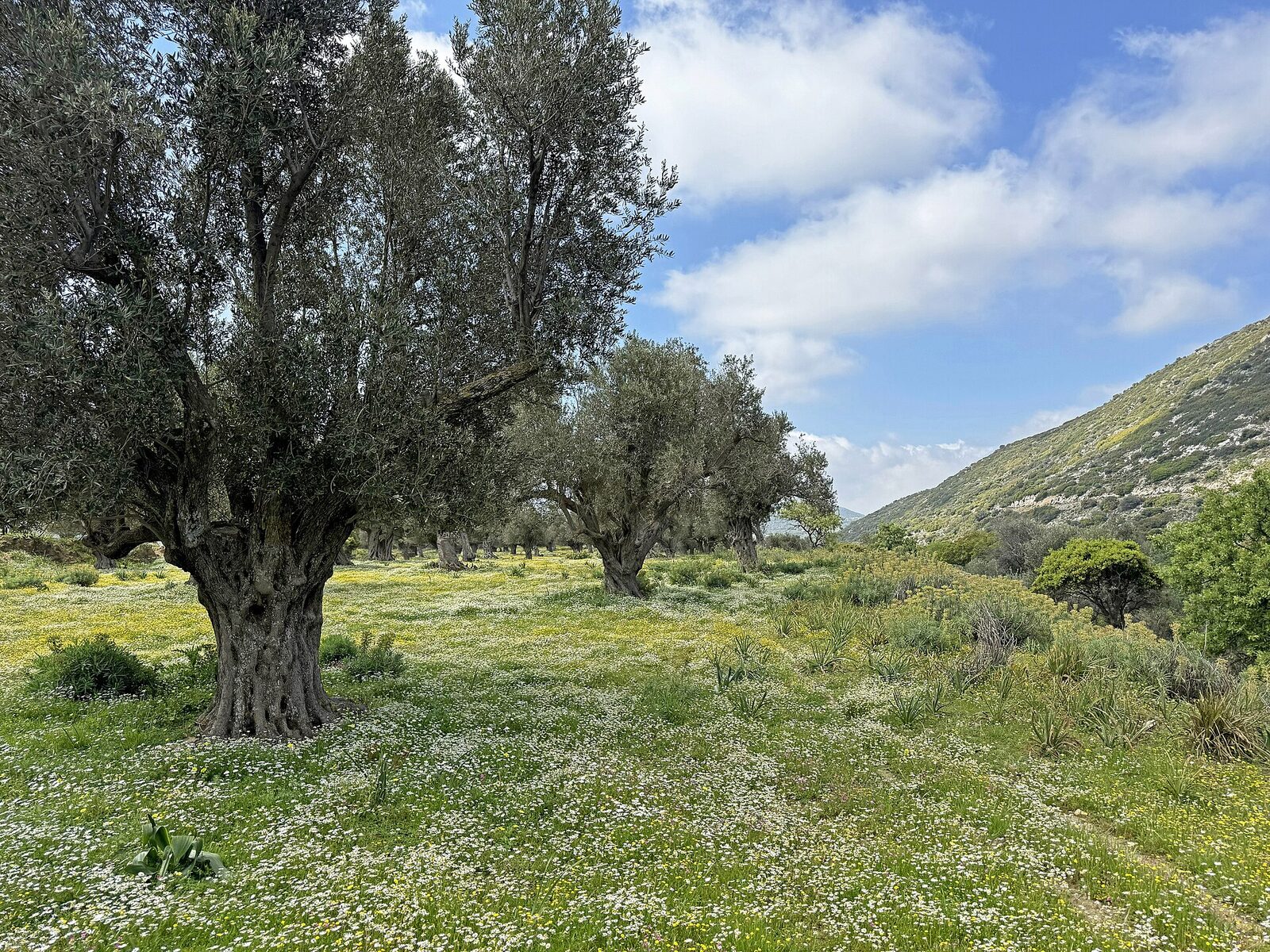
Ancient olive groves on Naxos, Greece (photo Bouke ten Cate, CC BY 4.0)
Origin
Founded by Epicurus in the Garden at Athens, c. 307 BCE.
Central claims
- The absence of disturbance, not indulgence, is the highest pleasure.
- Death is not an evil, because it is not experienced.
- Friendship and modest self-sufficiency are central goods.
Criticism
Opponents in antiquity accused Epicureans of withdrawing from civic duty, and later critics questioned whether tranquility is a sufficiently demanding ideal.
Development
Epicurean communities organised learning around friendship, simple meals, memory of arguments and relief from needless fear. Their physics mattered because a natural account of gods, death and weather was meant to quiet superstition, not to serve curiosity alone.
Legacy
The school remains a corrective to both consumer pleasure and heroic self-denial, insisting that a life can become richer by needing less and choosing companions more carefully.
In their words
“Let no one be slow to seek wisdom when he is young nor weary in the search thereof when he is grown old.”
“Death is nothing to us; for what has dissolved has no sensation.”
“It is impossible to live pleasantly without living prudently and honorably and justly.”