History
Origins, power, and change
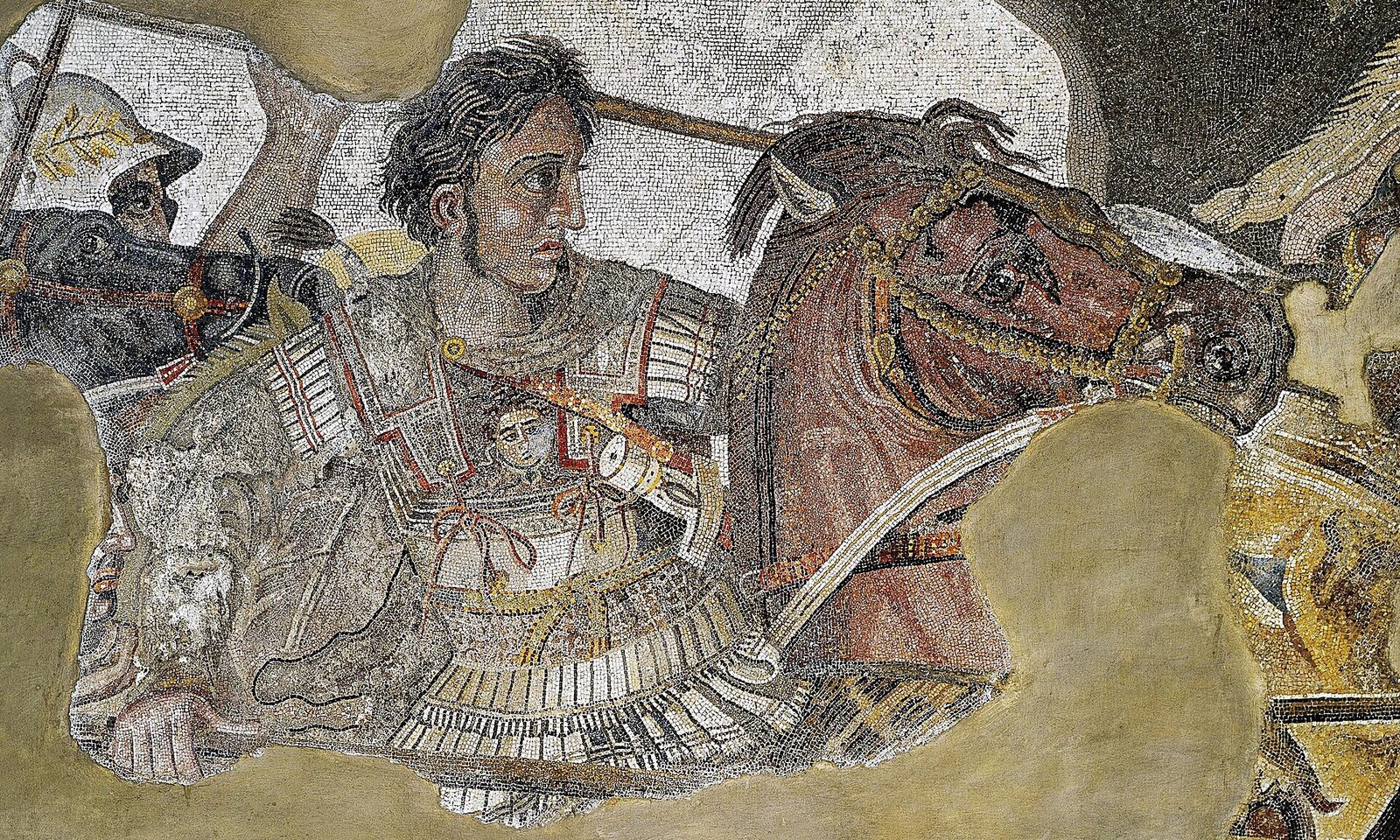
Macedon expanded from the lower Haliacmon plain under the Argead kings, absorbing upland territories through alliance, conquest, and dynastic marriage. Southern Greeks debated Macedonian identity even as its rulers participated in Greek sanctuaries and claimed Argive descent. Philip II reorganized the army and defeated the allied forces of Athens and Thebes at Chaeronea in 338 BCE. Alexander then conquered the Achaemenid Empire. After his death, Macedon remained a major Hellenistic kingdom until Roman victory at Pydna in 168 BCE.
Myths from this region
Perdiccas, Temenus, Heracles
The Argeads Descend from Heracles
Source: Herodotus VIII.137–139
The Macedonian royal house traces its line through Temenus of Argos to Heracles, while a foundation tale follows Perdiccas north to establish a kingdom.
Royal genealogy supported Argead claims to Greek status and participation in Panhellenic institutions; its political usefulness requires caution.